
Orlando multifamily vacancy eases as new supply slows
Q1 2026
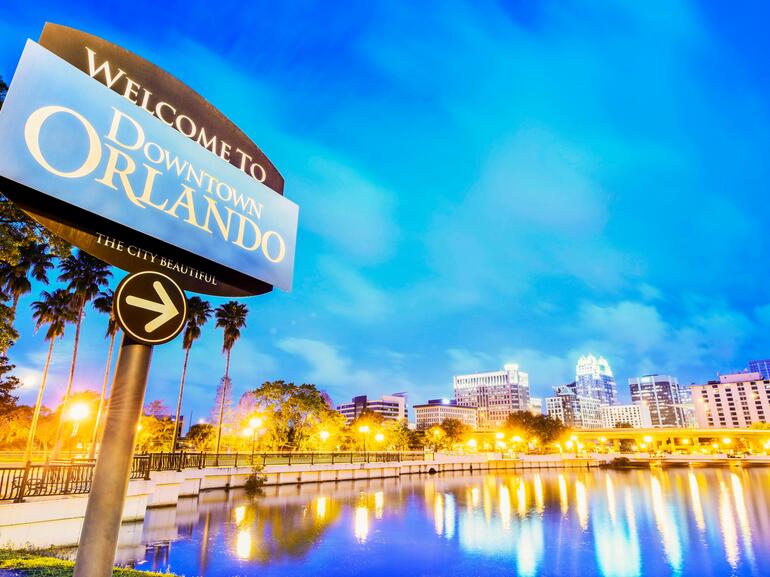
Orlando multifamily market overview
The Orlando multifamily market is showing its first signs of an operating recovery after an extended period of supply-driven pressure. Vacancy edged down in the first quarter as absorption outpaced new deliveries, a reversal of the pattern that has weighed on occupancy since 2023. The vacancy rate remains up 70 basis points annually, reflecting the cumulative impact of supply growth. The divide between asset classes remains pronounced, with Class A vacancy at 10.4% while the combined rate for Class B and Class C properties is 6.2%, underscoring how supply pressure has been concentrated in the upper tier. Against this backdrop, rents declined at the start of 2026 after nearly two years of quarterly growth. Rent declines reflect the continued vacancy pressures and the concessions being offered during lease-up of new communities. Despite these challenges, current rents are up slightly compared to one year ago.
After transaction volume rose 56% in 2025 and reached its highest level since 2022, the first quarter of 2026 posted only a handful of closings, reflecting a more measured pace consistent with seasonal patterns. A notable shift in the first-quarter transactions was asset vintage. The average construction year of properties sold in the first quarter moved to 2016, highlighting the prevalence of newer assets on the investment market. The median price in transactions that sold in the first quarter was $192,300 per unit, while cap rates have increased compared to recent years and currently average 5.25-5.75% year-to-date, with variation by asset class and submarket.
Looking ahead for Orlando
Orlando’s operating outlook has brightened heading into the remainder of 2026, supported by a significant supply deceleration. Approximately 9,100 units are scheduled for delivery for the full year, well below 2025 levels, and with 40% of the construction pipeline concentrated in the International Drive and Northwest submarkets, the impact of new supply will be uneven across the market. Permitting activity has also contracted sharply, tracking at less than half the five-year first quarter average, indicating a further thinning of the pipeline into 2027 and beyond. As deliveries slow and absorption persists, vacancy is forecast to inch lower through the rest of the year. Employment growth provides a steady demand foundation, with roughly 15,000 new jobs projected for 2026.
The investment outlook for Orlando is expected to improve as the year progresses and operating fundamentals firm. The moderation in first-quarter transaction volume following 2025’s elevated pace is consistent with typical post-peak investment cycles, reflecting timing and available inventory more than a shift in investor appetite. The vintage shift toward newer properties may continue as buyers look to acquire assets with more predictable lease-up timelines and less exposure to deferred capital expenditures. As newly delivered Class A properties lease-up and concessions begin to burn off, that segment may draw broader institutional interest. Average cap rates are expected to remain in a range of 5.25% to 6.0% in the near term, with potential for modest compression later in the year if vacancy improvement accelerates and rent growth firms.
Connect with our Orlando, FL team today
For a more complete analysis of the supply, demand, vacancy, rent and investment trends in the Orlando multifamily market, download and read the full report below.
The Northmarq Orlando office provides a broad range of commercial real estate solutions across debt, equity and investment sales. Engage with our Orlando team today.
Get the Orlando Q1 2026 report


Insights
Research to help you make knowledgeable investment decisions