
Texas Senate bill 15: How new minimum lot size rules could reshape single-family development
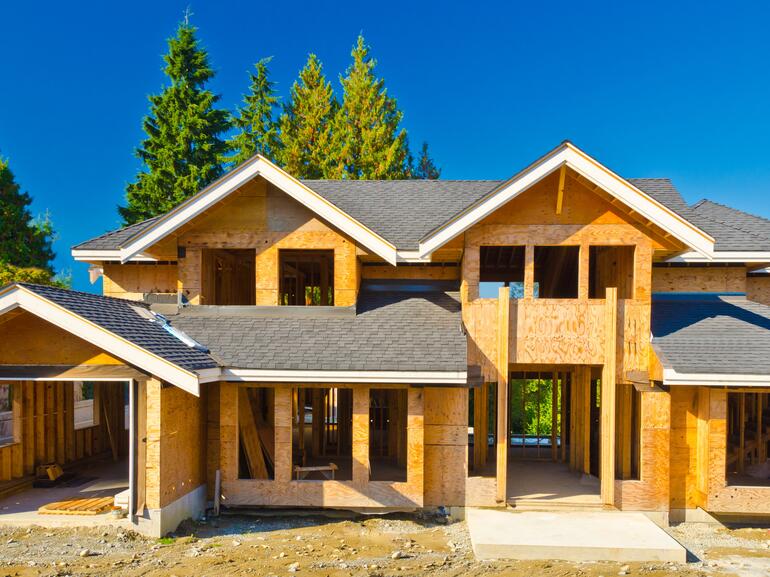
Texas is changing the rules for single-family development, setting the stage for a shift in how land is valued and competed for. A new state law taking effect in September will allow smaller lots and remove some of the most common local barriers to building. The change opens the door for higher-yield projects, new formats and fresh possibilities for sites that didn’t pencil under past zoning constraints. For example, a 50-acre site previously limited to 80 homes could now hold up to 560 homes on smaller lots, lowering the land cost per home and improving project feasibility.
How SB 15 and SB 840 fit into the bigger picture
Texas Senate Bill 15 (SB 15) is part of a broader legislative push to expand the Texas housing market by making more sites viable for development. The complementary Texas Senate Bill 840 (SB 840) tackles the same problem from the commercial side, allowing many non-residential zones to add multifamily or mixed-use without rezoning. Together, they expand the map for feasible projects.
Why SB 15 matters
Affordability has been a key draw for people moving to Texas. If home prices don’t stabilize, that growth could slow. SB 15 aims to keep the state competitive by creating more housing opportunities:
- Unlock sidelined parcels where high land cost and low lot yields made projects unworkable
- Close the gap between seller expectations and builder pro formas by supporting higher density
- Give developers more leverage with municipalities without going through full rezoning
- Shift land-use competition by making certain sites more attractive than before
- Enable new formats such as small-lot single-family, townhomes and duplexes while maintaining livability
What this looks like on the ground
To see how SB 15 might change development in practice, I connected with Connor Duggan, Land Acquisition Manager at UnionMain Homes.
“The biggest effect I see from this is that we can squeeze more lots into each project assuming the city grants the proper zoning. I’m truly curious to see how it plays out.”
What developers should watch
- Reevaluate land portfolios for tracts that meet SB 15’s criteria
- Track how cities adjust their codes to comply with SB 15
- Engage a commercial real estate advisor early to identify opportunities
- Consult a land-use attorney to navigate local interpretations
- Explore pairing small-lot single-family with townhomes or duplexes
- Look for ways to combine SB 15 with SB 840 on nearby commercial parcels
Final thoughts
SB 15 isn’t going to solve Texas’s housing shortage overnight, but it’s a meaningful step in the right direction. It gives developers more flexibility to make sites work that were previously sidelined by unreasonable lot requirements.
The next few months will be about watching local interpretations, moving quickly when opportunities open and engaging the right advisors to navigate any new rules.
Get the report



Insights
Research to help you make knowledgeable investment decisions