
Sorting year: How capital, pricing and execution are shaping multifamily in 2026
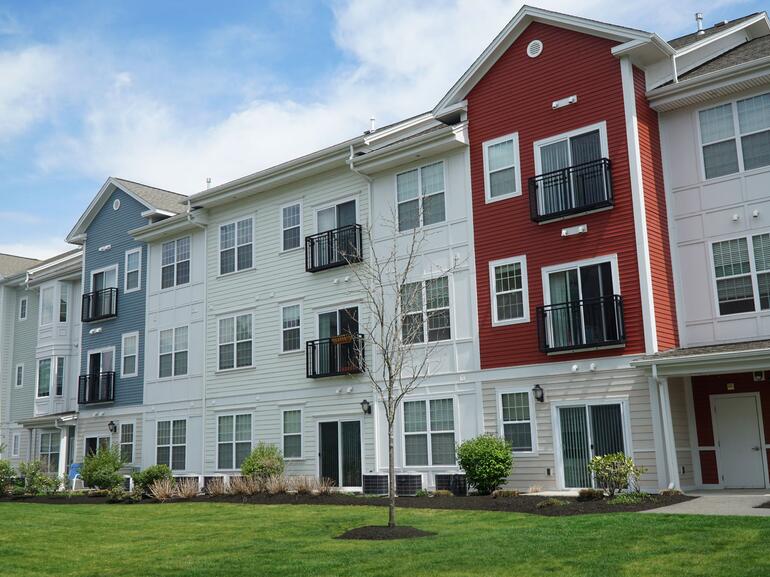
Multifamily decisions in 2026 are being made in a more disciplined environment.
Supply from the last development cycle is continuing to work through the system. Operating fundamentals are showing early signs of stabilization in many markets. Capital is active again, but with sharper underwriting and less tolerance for ambiguity around pricing, cash flow and execution.
Separation is becoming more visible across the market.
Where is capital actually engaging right now
Capital is active in 2026, but it is highly selective. It is moving toward deals that work under today’s underwriting, without relying on aggressive rent growth or future rate relief.
Engagement is strongest where cash flow is durable and pricing reflects current debt costs. Structure matters as much as asset quality. Transactions supported by assumable loans with remaining term continue to draw interest, particularly when they improve leverage and execution certainty.
Equity remains cautious, with early signs of re-engagement where risk is clearly defined. The emphasis has shifted from chasing upside to underwriting downside.
Where capital is showing up most consistently:
- Stabilized or near-stabilized assets with durable cash flow
- Distressed assets where pricing dislocation is driving forced or motivated sales
- Transactions supported by assumable debt or conservative leverage
- Assets priced to reflect current debt costs and operating realities
- Deals with a clear execution story rather than a timing thesis
What capital is avoiding:
- Assets dependent on rapid rent growth to pencil
- Pricing anchored to pre-reset expectations
- Deals where structure adds complexity without reducing risk
In 2026, capital is underwriting what exists today and moving where the math is clear.
What trades and what still doesn’t
Deals trade when quality, structure and pricing are aligned with today’s reality. Not yesterday’s.
"Class A and merchant buyers are focused on acquiring assets at or below current replacement cost. In the B and C space, deals are transacting that can clear existing debt balances or have a clear path to recapitalize."
— Scott Lamontagne, Managing Director and National Director, National Development Services
"At the transaction level, liquidity remains concentrated. Best-in-class assets trade. Everything else faces friction. Buyers are underwriting current debt and operating conditions."
— Dave Martin, Regional Managing Director
"Deals move when the story is real: durable cash flow, assumable debt with term or a value-add story that pencils under today’s assumptions. Deals stall when sellers stay anchored to 2021 pricing or execution risk outweighs upside."
— Dylan Steman, Vice President
When quality, structure and pricing reset together, liquidity follows.
Execution is driving outcomes
In 2026, execution is showing up more clearly in pricing and deal outcomes.
As capital becomes more selective, differences in operational performance are showing up faster and more clearly in liquidity, pricing and buyer confidence. This is most visible in workforce housing and older vintage assets, where execution risk carries real weight in underwriting.
What buyers are rewarding:
- Expense control that matches today’s cost environment
- Proactive maintenance that reduces execution risk
- Conservative rent assumptions that hold up under scrutiny
Where execution risk is getting discounted:
- Expenses running ahead of underwriting
- Performance propped up by concessions
- Deferred maintenance without a clear plan
- Rent growth assumptions doing too much work
In 2026, execution risk is being reflected directly in pricing and deal velocity.
Asset-level momentum, not market narratives
In 2026, momentum is emerging at the asset and submarket levels.
Traditional multifamily remains the most liquid segment overall, though outcomes vary widely within markets. Asset-level performance is carrying more weight than market narratives.
Build-to-rent continues to draw investor attention. Demand fundamentals remain intact, but liquidity is gated by execution. Pricing, limited comparable sales and per-unit cost sensitivity are shaping which deals move and which pause. Activity is increasingly concentrated in purpose-built communities where structure and scale reduce uncertainty.
Affordable housing and LIHTC development are seeing incremental momentum as well. Longer escrow timelines and extended approval processes are allowing these projects to compete more effectively for sites. Activity is improving selectively.
Across all segments, structure is driving outcomes. Asset type alone is no longer a reliable signal for liquidity or value. Buyers are underwriting the specifics.
One area that remains underestimated is how quickly capital could rotate as the supply gap becomes more visible. Development capital has been slow to respond, but as operations firm over the next several quarters, investor attention may begin to shift. At the same time, closed-ended opportunity funds that have been largely sidelined over the past few years are facing increasing pressure to deploy capital, which could accelerate activity across select segments.
If the supply gap persists, value-add strategies could also re-enter the conversation, particularly in markets that remain undersupplied for an extended period.
In 2026, asset-level realities are shaping results.
Development remains selective
Development activity in 2026 remains constrained, but it is no longer off the table.
After several years of limited starts, a supply gap is beginning to form in some markets. That dynamic is supporting longer-term fundamentals, but it has not removed the barriers to new development. Capital remains cautious, and yield requirements continue to anchor decision-making.
In response, developers are placing greater emphasis on design efficiency and tighter scrutiny of general contractor bids. Hard costs remain one of the largest drivers of feasibility, and even modest reductions can materially improve yield on cost. That discipline is becoming a prerequisite for projects to move forward.
New projects are moving forward only where pricing and execution risk align tightly. Equity interest is beginning to re-emerge, particularly for sponsors with a track record and clearly defined risk, but engagement remains selective rather than broad.
Cap rate assumptions and yield requirements continue to drive feasibility. Projects that rely on meaningful cap rate compression remain challenged, while those structured for today’s cost of capital are gaining attention.
Development is re-entering the conversation carefully, and on new terms.
What to carry into 2026
In 2026, multifamily is rewarding discipline.
Capital is active, but selective. Execution is showing up more clearly in pricing and deal outcomes. Asset-level nuance matters more than broad narratives. Development is re-entering the conversation carefully and on new terms.
Taken together, these dynamics point to a market that is sorting itself out rather than resetting all at once.
For owners and investors, the implication is clear. This year favors realistic assumptions, durable cash flow and clarity around risk. Deals that align quality, structure and pricing with today’s environment are moving. Those that don’t are facing longer timelines and tougher outcomes.
The opportunity in 2026 is not about timing a rebound. It is about understanding where the market has drawn new lines and positioning assets and strategies accordingly.
Multifamily is open for business this year. It is just operating with sharper rules.
Get the report




Insights
Research to help you make knowledgeable investment decisions