
Rural renaissance: Investing in the future of America’s hidden growth markets
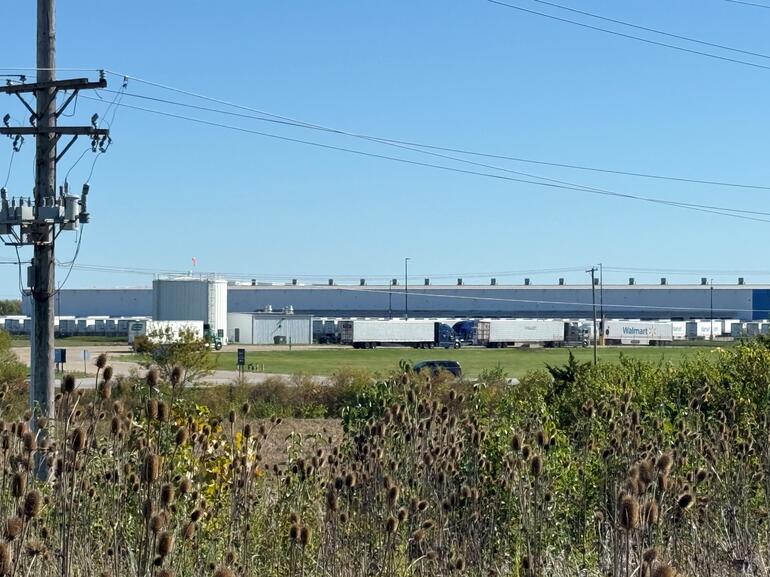
America’s industrial map is shifting. As major players push outward from urban cores in search of land, labor and logistics advantages, EV plants, data centers and more are landing in counties originally built for farming and small manufacturing, creating thousands of jobs overnight. These markets weren’t designed for this scale of growth, which is why vacancy swings, rent spikes and infrastructure gaps are already showing up. In the following nine markets – from Lafayette, Indiana to Columbus, Georgia – the story is the same: there’s a pressing need for multifamily housing, retail, healthcare, education and recreation infrastructure. The window for early entrants is closing fast and for investors, developers and local leaders, the time to act is now.
Lafayette, Indiana
Lafayette is a prime example of a market where housing demand has far outstripped supply. Driven by its proximity to Purdue University and a growing manufacturing sector, the city has demonstrated some of the strongest multifamily fundamentals in the nation.
- Housing shortage: In 2025, the market posted a multifamily occupancy rate of 98%, one of the highest in the U.S. This signals an extremely tight rental environment for new and existing residents, especially students.
- Established employers: Major industrial and manufacturing employers include Subaru of Indiana Automotive, Caterpillar, Wabash and Arconic.
- The opportunity: With a 276% year-over-year jump in average price per unit, Lafayette shows clear unmet demand. Developers have a rare chance to deliver much-needed rental housing, while adding retail and service providers to support the growing workforce and student population.
“Based on my experience as a Purdue student from 2018 to 2022, housing shortage was and still is a major problem in West Lafayette and Lafayette. Purdue continues to accept more students than the year before, causing overcrowding and forcing more students to live off campus. With limited student housing, there have been major changes in the area over the past couple of years. Many retail buildings have been torn down to make room for new multifamily developments in West Lafayette. For example, construction began a few months ago on The Standard at West Lafayette, a 678-bed development adjacent to the Purdue campus. I think we’ll continue to see much needed investments in the multifamily market across West Lafayette and Lafayette to keep up with Purdue enrollment.”
--Liberty Gaughan, Senior Communications Specialist
Reno, Nevada
The "Biggest Little City in the World" has transformed into a major technology and manufacturing hub, largely thanks to one anchor tenant. This rapid industrialization has created a severe housing deficit that the market is still struggling to correct.
- Housing shortage: Since Tesla announced its Gigafactory, Reno has faced a surge of incoming workers that pushed vacancy to historic lows. Even as new supply hit in 2024 – briefly pushing overall vacancy into the low double-digits – stabilized communities quickly absorbed demand and tightened back toward 3%.
- Established employers: The market is anchored by the Tesla Gigafactory and includes major operations for Panasonic, Apple and Switch Data Centers, among others.
- The opportunity: Reno's growth has spurred demand for not just housing but also for advanced manufacturing suppliers and logistics services. The city has been underserved due to its previous reliance on tourism and gaming. Now, there is a clear need for sustained development of multifamily, build-to-rent communities and supporting commercial real estate.
Fayette County, Ohio
Once a quiet agricultural community, Fayette County is at the epicenter of Ohio's industrial boom. Massive investments are set to bring thousands of jobs, but the local infrastructure is unprepared for the coming population surge.
- Housing shortage: A 2023 housing study revealed a need for nearly 1,400 new housing units by 2033 to support the incoming workforce, with a significant gap in rental options. While some new projects are underway, most of the current housing stock is older, with limited availability.
- Established employers: The county will be home to a new LG Energy Solution EV Battery Plant and an Amazon Web Services data center campus, alongside existing distribution centers for Walmart, Lowe’s and McKesson.
- The opportunity: Situated along the I-71 corridor between Columbus and Cincinnati, the county is a strategic logistics hub. The immediate and projected need for workforce housing, single-family homes, retail, restaurants and expanded medical facilities presents a ground-floor opportunity for developers and investors.
“As a resident of Fayette County, it’s exciting to see how much opportunity these new industrial tenants are bringing to the local community. While our housing options and commercial infrastructure can’t yet accommodate an influx of new residents, local developers and investors, along with city and county leaders, are committed to revitalizing downtown areas, supporting new housing developments, and enhancing community amenities, making this a great place to live and work.”
--Lanie Beck, Senior Director, Content & Marketing Research
Greenville-Spartanburg, South Carolina
This South Carolina region, known as "The Upstate," has become a powerhouse in advanced manufacturing, particularly in the automotive and aerospace sectors. Its strategic location and business-friendly climate have attracted global companies, creating thousands of jobs.
- Housing shortage: In 2024, new deliveries totaling more than 1,300 units caused a slight dip in occupancy, but many submarkets continue to see mid-90% occupancy even as broader vacancy rests in the 5% to 6% range. Demand still outpaces supply in key corridors.
- Established employers: The market is dominated by BMW's largest global manufacturing plant, Michelin North America's headquarters, GE Power and a vast network of automotive suppliers.
- The opportunity: Located halfway between Atlanta and Charlotte, the region is a critical logistics node. Past development has not kept pace with its economic expansion. Investors and developers can capitalize on the need for all classes of multifamily housing, industrial spec buildings for suppliers and neighborhood retail centers.
“Working deals across the Upstate for the past decade, I’ve never seen industrial momentum translate this fast into everyday demand. BMW’s ongoing expansion and a steady stream of suppliers are continuing to fuel population growth, but apartments and housing in the strongest corridors are effectively full and new deliveries haven’t relieved pressure evenly. Retail and restaurant options lag new rooftops, and traffic congestion is outpacing road improvements along key commuter routes. Greenville has an opportunity to address these challenges by meeting workers where they are – with affordable rents, build-to-rent options, retailers that serve shift workers and improved infrastructure. We need to better align development plans with hiring timelines to stay ahead of the local need.”
--Eric Liebich, Managing Director of Investment Sales
Sioux Falls, South Dakota
With a robust economy centered on financial services, healthcare and agribusiness, Sioux Falls is a regional economic engine. Its steady growth has created a quiet but persistent housing crunch that presents a clear opportunity.
- Housing shortage: The city's vacancy rate for apartments has historically stayed below the 5% mark that’s considered healthy, often dipping lower. Following a flood of new construction delivered in early 2025, vacancy spiked to nearly 10%, but six months later, the market had absorbed enough to drop the vacancy rate back to 5.4%. Local housing studies have repeatedly called for thousands of new units across all income levels to meet demand.
- Established employers: Major employers include Sanford Health, Avera Health, Wells Fargo and Smithfield Foods. The city is also a growing hub for data centers and bioprocessing.
- The opportunity: Sioux Falls has been underserved because it is not on the radar of most national developers. However, its stable employment base and strong population growth create a low-risk environment for multifamily and commercial development. The need for new housing, particularly for healthcare and finance professionals, is severe.
Boise, Idaho
Boise has evolved from a quiet state capital into a burgeoning tech and healthcare hub. Its high quality of life and business-friendly environment have attracted a wave of new residents and corporate investments, straining its housing market.
- Housing shortage: Boise faces one of the nation’s most severe housing shortfalls, needing about 2,000 new units annually. Currently, completions trail that pace, and vacancy sits near 4.5%. Home prices and rents have escalated rapidly over the past five years, and competition for available apartments remains intense.
- Established employers: Key employers driving growth include semiconductor manufacturer Micron Technology, St. Luke's Health System and multiple Amazon fulfillment and delivery centers.
- The opportunity: Historically viewed as a tertiary market, Boise's infrastructure is now playing catch-up. The demand for tech talent and healthcare professionals fuels a continuous need for modern apartments, medical office buildings and lifestyle-oriented retail. This creates a durable, long-term investment horizon.
“Boise’s growth as a tech, healthcare and advanced manufacturing hub has reshaped demand for retail real estate across the metro. Population growth has outpaced both housing and retail development, making well-located shopping centers with essential and service-oriented tenants increasingly important to the community. Vacancy remains tight and new supply limited, supporting rents and investor confidence. While construction costs and zoning constraints pose challenges, the Treasure Valley’s continued expansion creates strong long-term opportunities for retail development and reinvestment.”
--Michael Federico, Senior Associate of Investment Sales
Florence, Alabama
Located in a region known as "The Shoals," Florence is part of an emerging corridor for advanced manufacturing and automotive suppliers. The area's affordability and growing job base are attracting new residents, but the housing market hasn't kept up.
- Housing shortage: The residential vacancy rate in Florence has compressed steadily in recent years, falling from 12.4% in 2021 to 8% in 2023. Currently, the Shoals area has a limited inventory of modern rental housing, with most existing stock being older. As new manufacturing plants, like North American Lighting, expand, the demand for apartments and single-family homes continues to rise sharply.
- Established employers: Key industrial employers in the region include North American Lighting, Constellium and freight logistics companies serving the automotive sector.
- The opportunity: The Shoals region has been historically underserved due to its rural location. However, its strategic position within the Southern automotive manufacturing belt makes it increasingly vital. Developers have the chance to be first-movers in providing new multifamily, retail and hospitality options to support the area's industrial renaissance.
Pueblo County, Colorado
Long known as a steel town, Pueblo is reinventing itself as a hub for renewable energy and advanced manufacturing. As it attracts new industries and residents seeking a more affordable alternative to Denver and Colorado Springs, its housing and service infrastructure is being tested.
- Housing shortage: Pueblo’s vacancy rate spiked to nearly 10% in 2023 before easing back to 5.6% by mid-2024. Despite the recent correction, supply remains thin relative to demand as new manufacturing and renewable energy jobs continue to arrive.
- Established employers: CS Wind, the world's largest wind tower manufacturer, and Trane Technologies are major industrial anchors. The city is also a key rail hub for BNSF and Union Pacific.
- The opportunity: Pueblo benefits from significant state and federal incentives for renewable energy manufacturing. It was historically an industrial town that faced economic decline, but this new wave of investment is creating a second life. The opportunity lies in building modern workforce housing, revitalizing downtown commercial spaces and developing retail to support a new generation of workers.
“As a Denver resident who tracks growth along the Front Range, Pueblo feels like the next domino. You can see the momentum from new manufacturing and clean energy projects, but housing and neighborhood services are still playing catch-up. If we align infrastructure and fast-track workforce housing now, Pueblo can absorb the spillover without pricing out locals.”
--Amy Ward, Senior Vice President & Director of Investment Sales Business Transformation
Columbus, Georgia
Anchored by a major military installation and a growing manufacturing base, Columbus is a market where demand is steadily rising against a backdrop of limited new supply. This dynamic creates a compelling case for new development.
- Housing shortage: Multifamily pricing has climbed sharply, with recent comps showing an 86% year-over-year jump in average price per unit. That spike reflects how limited new supply has left investors bidding aggressively to enter the market.
- Established employers: The city is home to Fort Benning, Aflac's global headquarters, Pratt & Whitney and numerous financial services companies.
- The opportunity: Columbus's growth is driven by the stable economic impact of the military and the expansion of its financial and aerospace sectors. For years, it was overlooked by institutional investors, but its strong fundamentals now signal a market ripe for new multifamily projects and retail to serve military families and corporate employees.
Treat growth like a supply chain
These markets are not just industrial success stories – they are communities on the brink of transformation. Investors winning in these markets are underwriting them like supply chains – not headlines.
- Start with anchors and employee draw area: Map the top employers, their 30–60-minute commute sheds, and where first shift vs. third shift labor will live.
- Underwrite movement, not averages: Include commute maps, permitting timelines, school capacity and utility lead times in your pro forma. Model to the first 1,000 hires.
- Control the chokepoints: Tie up land near logistics spines (interstates, intermodal, last-mile corridors) and health campuses where daily trips are heaviest.
- Stack formats for resiliency: Pair garden and mid-rise multifamily with build-to-rent and small-format retail that serves shift workers, childcare, quick-serve and basic services.
- Coordinate directly with major employers: Ask them to help fill units, connect you to new hires and support shuttle or transit links. Where it makes sense, sign a block of units to the employer for key roles or shift workers.
- Explore incentives and cost-sharing early: Work with city, county and local economic development leads to understand infrastructure cost participation options (roads, utilities, turn lanes), entitlement fast-tracks and impact fee reductions or offsets tied to workforce housing.
- Stage the work to move faster: Begin vertical construction as infrastructure work continues. Deliver apartments before the next big round of hiring, not after prices reset.
For developers, investors and local leaders, the mandate is clear: invest now to build the infrastructure that will support tomorrow’s workforce and families. Lock in sites, align public-private partnerships and deliver housing and services on the same timeline as employer ramp-ups. Those who treat these cities like supply chains will capture absorption, stabilize faster and own the market before pricing resets.
Get the report


Insights
Research to help you make knowledgeable investment decisions