
Fueling growth: Dollar General's strategic leap into the gasoline business
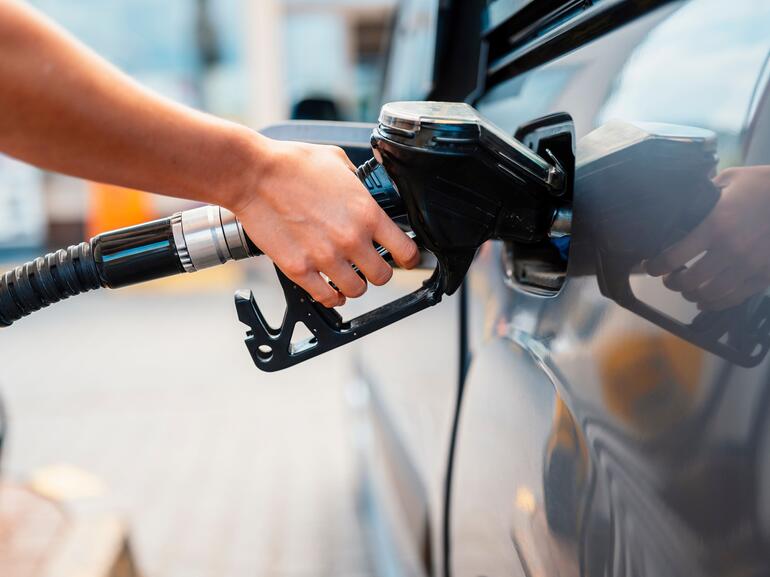
In a bold departure from the traditional dollar store model, Dollar General is putting gas in the tank – literally. Launching a pilot program with 40 fuel locations across Alabama and other southern states, the retailer is taking a step toward diversifying its offerings. Traditionally dominating rural markets with essential goods at low prices, Dollar General now adds fuel to its list of services, positioning itself as a one-stop hub in underserved areas. For commercial real estate investors and developers, this expansion sparks significant interest, particularly in evaluating land value, long-term development potential and the evolving dynamics of rural economies.
The challenge facing dollar retailers
Dollar retailers, including Dollar General, face unprecedented challenges. Widespread inflation has eroded the purchasing power of lower-income consumers, wage stagnation persists, and government assistance rollbacks have further squeezed household budgets. Simultaneously, Walmart and other big-box retailers have aggressively targeted this market segment, offering broader inventories at competitive price points.
For Dollar General to compete, innovation and differentiation have become core to sustaining growth and relevance in the post-pandemic retail landscape. The introduction of fuel addresses these challenges by boosting customer foot traffic and basket size while creating new operational efficiencies.
Strategic implications for real estate and rural markets
- Unlocking the value of undervalued parcels
Many Dollar General stores are positioned on expansive parcels of land, particularly in small towns and rural areas. These locations provide an untapped advantage, allowing the company to integrate fuel pumps without costly infill repositioning. Developers and investors should view these parcels not only as retail sites but as multi-use assets capable of generating diverse revenue streams.
- Redefining rural dominance
The addition of fuel transforms Dollar General from a discount retail operator into a hybrid convenience model. This transition holds immense potential in rural markets where competition from premium gas stations is limited. With groceries, general merchandise and now fuel available on-site, these stores are poised to become essential community hubs, deepening customer loyalty and solidifying their dominance in underserved regions.
- The potential for a loyalty ecosystem
Dollar General’s expanded service offerings open the door for new customer engagement tools, like a rural loyalty program. By integrating gas rewards into existing discounts, the company could rival Walmart+ in creating a dedicated repeat customer base. This loyalty infrastructure could drive an even higher number of store visits and broaden the company’s value proposition.
Key questions for investors and developers
For stakeholders evaluating the impact of Dollar General’s strategy, several key considerations arise:
- Site-level returns: How will the addition of gasoline influence current site performance, both in terms of traffic flow and average spend?
- Future development criteria: Will fuel become a standard offering in site selection, influencing new store footprints and development strategies in rural areas?
- Broader market dynamics: How will this move influence the competitive landscape among dollar retailers, convenience chains and grocery stores?
A shift in perception
Dollar General’s entry into the fuel business may well mark a defining moment for the retailer. By branching into convenience store and fuel retail territory, the company is positioning itself in a sector traditionally viewed by investors as carrying lower risk and commanding tighter cap rates. If successfully scaled, this strategic pivot has the potential to fundamentally reshape how these properties are valued and traded. This level of innovation could lead to cap rate compression and recalibrate property values, significantly impacting exit pricing for rural real estate portfolios.
However, execution will be key. Integrating fuel with Dollar General’s interior retail offerings will require driving higher-margin in-store sales and converting fuel customers into broader basket shoppers. Achieving consistency at scale will be critical to influencing investor perception and solidifying this new identity.
The real question on the horizon is whether Dollar General can expand and implement this model quickly enough to realize its full impact. It’s an ambitious maneuver, but one that demonstrates the retailer’s willingness to rethink its place in the market amidst economic headwinds.
Ultimately, this move underscores the rapid evolution of retail and serves as both a challenge and invitation for investors to reimagine the possibilities within this space. The future of rural commercial real estate may look very different, with Dollar General leading the way.
Get the report


Insights
Research to help you make knowledgeable investment decisions