
Dallas-Fort Worth multifamily sales volume strengthens to close 2025
Q4 2025
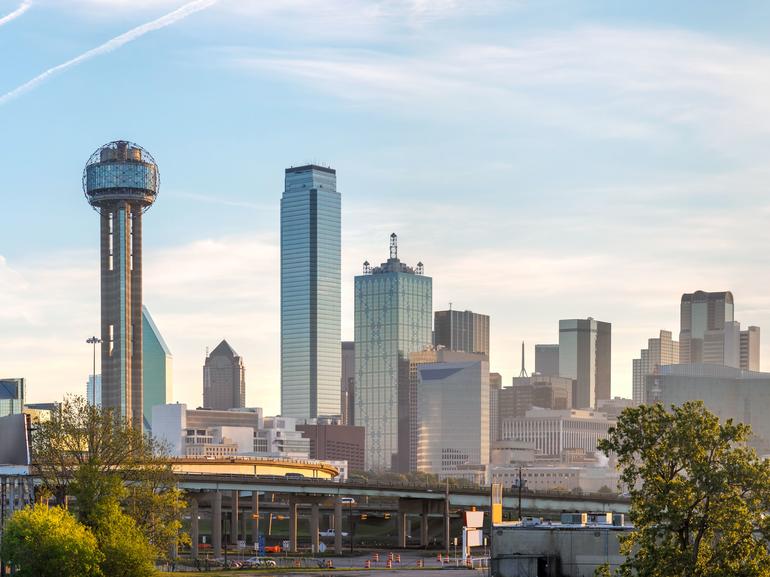
Dallas-Fort Worth multifamily market overview
The Metroplex accounted for nearly 8% of total U.S. absorption in 2025. Renter demand remained solid, with annual absorption totaling nearly 30,000 units, over two-thirds in Dallas and roughly one-third in Fort Worth. New supply slowed, with approximately 8,100 units delivered in the fourth quarter, down 23% year over year, and full-year completions totaled under 33,000 units, a nearly 25% decline from 2024. The construction pipeline continues to contract, with roughly 42,700 units underway, a 3% quarterly decline and a 16% drop from last year, marking the ninth consecutive quarter of pipeline contraction. Absorption lagged new supply, and vacancy trends varied across the market, with North Dallas and East Fort Worth recording notable annual improvements. Rent growth also differed by asset class, though Class A rents rose 0.9% year over year in the fourth quarter. The market was essentially at equilibrium in 2025 and should shift to more of an operator’s market in 2026 as deliveries slow significantly.
In 2025, multifamily transaction activity across the Dallas-Fort Worth metroplex reflected a clear link between location and vintage. Early-year trades were spread across core urban areas like Dallas, Fort Worth, Garland, and Irving, dominated by older stock, while midyear focus shifted to high-growth northern and northeastern suburbs such as Frisco, McKinney, Plano, Celina, and Richardson, featuring newer properties from the 2010s and 2020s. In the fourth quarter, activity was concentrated in Dallas proper, with suburban hotspots continuing to emphasize recently built, modern assets, and transaction volume rose 31% from the prior quarter. For the full year, volume was up 3% compared with 2024, marking a second consecutive year of growth and indicating moderate but steady momentum. Overall, 2025 reflects a shift from broadly dispersed early-year activity in older urban stock to concentrated trades in higher-demand, newer suburban corridors and core Dallas by year-end.
Looking ahead
The Dallas-Fort Worth multifamily market is positioned for steady improvement in 2026. Absorption has remained solid since mid-2024 and continued through most of 2025, though some moderation occurred in the fourth quarter as economic growth slowed and job gains eased. Developers are scaling back deliveries significantly beginning in 2026. Completions are forecast to be cut nearly in half from the peak levels recorded in 2024, and the annual deliveries scheduled for the coming year would mark the lowest total in the region since 2022. This tapering of new supply, combined with steady demand, is projected to lower vacancy by roughly 40 basis points by year-end. Rents, slightly negative year over year in the fourth quarter, are expected to rebound and support growth in 2026. Overall, fundamentals remain supportive, positioning the market for tighter vacancy and modest rent increases next year.
Multifamily transaction activity in the Dallas-Fort Worth metro showed renewed momentum toward the end of 2025, closing at levels comparable to midyear. Looking ahead, Dallas-Fort Worth is poised to once again be one of the most active multifamily investment markets in the country as sales volume gradually improves, supported by stabilizing fundamentals and more favorable borrowing conditions. Despite elevated and volatile interest rates in the first half of 2025, recent easing, potential rate cuts in 2026, and improving supply and demand dynamics may help drive a stronger recovery in investment activity. Cap rates have remained relatively stable over recent quarters, with modest compression possible as financing costs decline and rent growth becomes more consistent. Supported by a diverse employment base, a business-friendly environment, and continued population growth, the region remains highly attractive for multifamily investors heading into 2026.
Learn more about the Dallas-Fort Worth multifamily market
Contact the experts at Northmarq’s Dallas office for more information.
Get the report


Insights
Research to help you make knowledgeable investment decisions