
From anchor to asset: What the JCPenney portfolio signals for big box owners
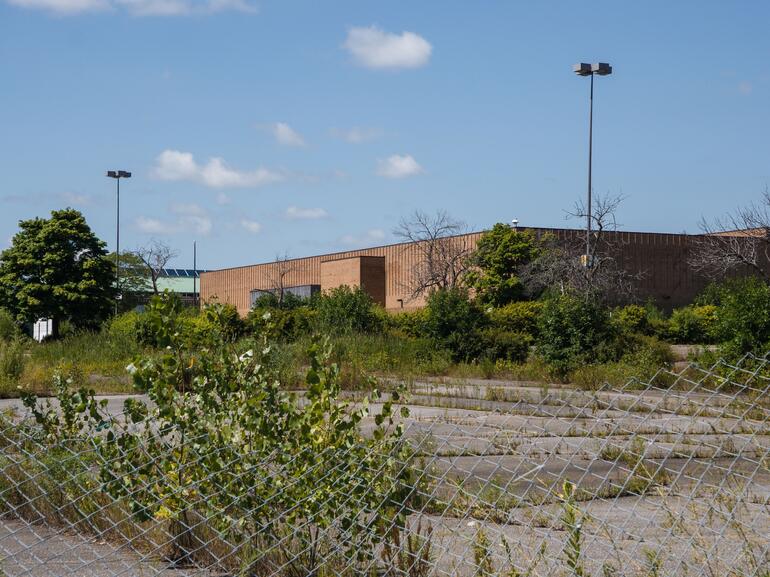
A $947 million transaction involving 119 JCPenney stores across 34 states recently closed. The portfolio spans more than 15 million square feet and is leased through 2041 under a triple-net structure. At first glance, it seems like a standard net lease deal with long-term income, a stable footprint and modest escalations. The numbers, however, point to a different kind of strategy. A 10.3% cap rate and a basis near $60 per square foot suggest a focus on land control and redevelopment rather than tenant performance.
At its core, this is a land story.
The box isn’t the asset
Most of these sites sit on parcels that stretch ten acres or more. Some are attached to aging malls. Others are surrounded by parking lots that no longer serve their original purpose. These sites are typically high-visibility, high-access with zoning that often allows for more than retail.
The buildings still have tenants, yet investor focus has shifted to what these sites can support next.
In many markets, demand for housing, healthcare or hospitality is outpacing demand for large-format retail. These properties are well positioned to meet that shift. Their scale, proximity to population centers and existing infrastructure make them natural candidates for redevelopment.
Capital is moving toward flexibility, and investors are underwriting future use, not just current occupancy. They are asking what can be created rather than what already stands.
Why this model works
The JCPenney portfolio stands out because of its structure. Each site was acquired at a low basis, often close to or below land value. That pricing changes the approach. When the land carries the value, the lease acts as a tool to hold the asset while planning for what comes next.
The triple-net structure provides cash flow during that hold period. Owners can pursue entitlements, evaluate zoning or line up development partners without pressure to move quickly.
These properties tend to sit in high-traffic corridors or near established retail nodes. Their location and existing infrastructure reduce barriers to redevelopment, especially in markets where demand is shifting.
This shift is already underway. Across the country, big box sites are being repositioned to meet new demands such as hotels, housing or healthcare. Developers are using visibility, scale and infrastructure to support uses that reflect today’s market needs.
One benchmark is Austin Community College in Texas, which converted the former Highland Mall into a campus. The first phase transformed the old JCPenney into the ACCelerator, a 600-station learning lab. The second phase added arts, culinary and simulation space while reusing more than half of the mall’s structure. The project achieved LEED-Gold certification and national recognition from ULI as a model for adaptive reuse.
We’re seeing it already
Daytona Beach, Florida
A hotel developer acquired a former Sears site at Volusia Mall. The building was dark, although the location remained strong. Plans are underway to convert the box into a limited-service hotel with direct access to the mall. The site’s visibility and proximity to existing infrastructure made it a natural fit.
Austin, Texas
At Lakeline Mall, a former Sears box is back on the market with expectations that a developer will acquire the site for redevelopment into mid-density apartments. The property’s location offers immediate scale potential, supported by surrounding density and transit access.
Suburban Midwest
Second-ring suburbs across Illinois, Ohio and Indiana are seeing renewed interest in big box sites. Investors are targeting properties with excess land, flexible zoning and strong surrounding demographics. Many are approaching these as three-to-five-year projects, using lease income to cover entitlement and holding costs.
What to look for in your portfolio
When evaluating legacy retail assets, these are the signals we use to identify repositioning potential:
- Lease maturity
Properties with mid-term leases and uncertain tenant strength may offer more value as redevelopment candidates than as income assets. - Physical site flexibility
Large parking fields, underused parcels and existing infrastructure can support densification and reduce upfront development costs. Sites that are already connected to utilities and road networks tend to move faster through entitlement. - Market viability
Properties near growing population centers, employment hubs or transit corridors are more likely to support higher and better use. Zoning overlays that allow for mixed-use, residential, healthcare or hospitality make these sites easier to reposition. - Density potential
Low density improvements in a high growth area can unlock value. If new plans can deliver three times or more density, the land may be worth more than the existing improvements.
What comes next
The JCPenney transaction reflects a broader shift in how big box assets are being evaluated. Leases still matter, as does rent, but the larger story is playing out behind the numbers.
These sites are no longer just retail. They have become redevelopment puzzles shaped by zoning overlays, reciprocal easement agreements (REAs) and political will. Some will require demolition. Others will need to be parceled, repositioned or rebuilt from the ground up.
Potential roadblocks include REAs, which restrict future uses and require approval from multiple parties. That alone can slow progress. Add in zoning variances, setback mandates, easement issues, parking requirements and utility capacity constraints, and it becomes clear that execution is as much about navigating regulation as it is about design.
On the financial side, redevelopers are often looking for yield on cost in the 6% to 7% range, equity multiples close to 1.8x and levered IRRs in the low 20s. When those standards are met, financing usually falls in line with 55% to 60% construction debt and the remainder as equity, often from third-party capital or the developer’s balance sheet.
Markets where rent levels support new construction, such as Phoenix or Austin, are driving momentum. Projects can range from re-tenanting a single anchor to repositioning an entire mall. The common thread is an ability to underwrite future use at a return that attracts capital.
The teams that succeed will be those who navigate complexity, build the right partnerships and move with purpose. For owners holding assets similar to JCPenney, the opportunity is already in motion. The question is who will step up to lead it.
Get the report


Insights
Research to help you make knowledgeable investment decisions