
Covered land opportunities in commercial real estate
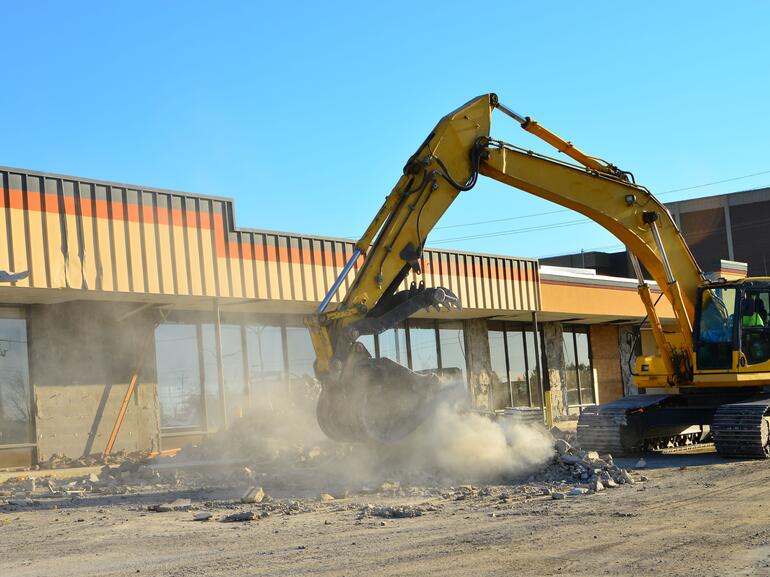
Covered land opportunities are a unique and strategic investment approach in commercial real estate. They combine current income generation with long-term redevelopment potential, making them attractive for investors seeking both stability and growth. This comprehensive guide will explain what a covered land play is, why it matters and how to evaluate these opportunities effectively.
What is a covered land opportunity?
A covered land opportunity refers to a property that currently has an income-producing structure on it – such as a retail store, office building or warehouse – while the underlying land holds greater potential for future development. The term 'covered' indicates that the land is temporarily occupied by an existing use, which generates rental income until redevelopment becomes viable. This strategy allows investors to benefit from cash flow today while planning for a higher and best use in the future.
Why investors pursue covered land plays
Investors are drawn to covered land plays because they offer two distinct advantages: short-term income and long-term upside. Especially in high-growth markets, land values can appreciate faster than improvements on the property. By acquiring land with existing tenants, investors can offset holding costs and position themselves for redevelopment when zoning rules change or market conditions align. This dual benefit makes covered land opportunities a cornerstone strategy for developers and institutional investors.
Key benefits of covered land opportunities
- Current income generation: Rental income from existing structures provides immediate cash flow.
- Value-add development potential: Ability to redevelop for higher density or alternative uses.
- Optionality and flexibility: Investors can time their redevelopment plans based on market cycles.
- Strategic positioning: Secure prime locations before they become fully entitled for new uses.
Risks and considerations
While covered land plays offer compelling benefits, they also carry risks. Zoning restrictions, lease terms and market timing can impact the feasibility of redevelopment. Investors should conduct thorough due diligence, including entitlement reviews and tenant agreements, to ensure flexibility when transitioning the property to its highest and best use.
Questions to ask when buying covered land
- What is the current zoning, and can it support future redevelopment?
- How long are the existing leases, and do they include termination clauses?
- What infrastructure improvements will be required for redevelopment?
- Are the demolition costs manageable?
- Are there environmental or title issues that could delay construction?
- Is asbestos remediation required?
- What is the projected demand for the intended highest and best use?
- Are there any reciprocal easement agreements (REAs) that would prohibit or limit redevelopment?
- Does the property have adequate utility capacities for the proposed use?
How to buy land for a covered land play
Acquiring land for a covered land opportunity involves a strategic approach. Start by identifying markets with strong growth fundamentals, such as population increases and infrastructure investments. Engage local zoning experts to confirm redevelopment potential. Structure purchase agreements that allow for flexibility and consider joint ventures with developers who specialize in entitlement processes. This proactive approach ensures that your investment aligns with long-term objectives.
Highest and best use analysis
Determining the highest and best use of a property is critical in evaluating a covered land play. This analysis considers legal permissibility, physical possibility, financial feasibility and maximum productivity. By working with professionals who understand these factors, investors can forecast redevelopment timelines and potential returns with much greater accuracy.
Conclusion
Covered land opportunities represent a powerful strategy for investors seeking both immediate income and long-term growth. By combining current cash flow with future redevelopment potential, these plays offer a unique way to capitalize on evolving market dynamics. With proper due diligence, strategic planning, a clear understanding of highest and best use and the right advisory partners, investors can unlock significant value through covered land acquisitions.
Ready to get started? Contact our National Development Services team today for more information on our current listings or to explore your next covered land opportunity.
Insights
Research to help you make knowledgeable investment decisions