
Raleigh-Durham multifamily construction activity falls to a five-year low
Q1 2026
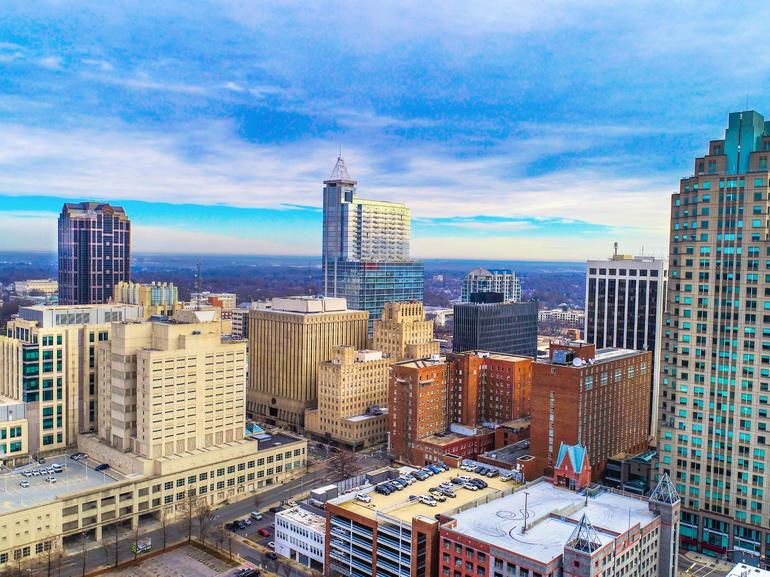
Raleigh-Durham multifamily market overview
The pace of multifamily deliveries in the Raleigh-Durham multifamily market slowed to begin 2026, as projects totaling roughly 1,300 units came online after more than 26,000 units were completed during 2024 and 2025. The recent decline in inventory growth led to some stability in vacancy conditions, as the rate appears to have leveled off after gradually rising for the past four years. Absorption continues but has declined in recent months alongside the slowing pace of completions. During the first quarter, apartments recorded net move-ins for nearly 1,400 units, tracking levels recorded prior to the supply boom of 2024 and 2025. Much of the elevated levels of vacancy in 2025 were driven by the market coming off a year of heightened deliveries while still experiencing continued supply growth.
First quarter sales activity in the Raleigh-Durham multifamily investment market returned to the lighter levels of the past two years following an uptick in the fourth quarter of 2025. Total sales during the past three months closely tracked levels recorded in the same period of the past two years. Sales of more than $10 million were exclusive to Raleigh to begin the year, which recorded higher rents and tighter vacancy than Durham. In the trailing five years, sales have been split, with about 60% of transactions occurring in Raleigh and the remaining 40% of trades closing in Durham. The shift toward Raleigh has driven pricing in the region higher, as properties in Raleigh have traded at per-unit values that were between 30% and 45% higher than those in Durham in recent years. The region’s median sale price during the first quarter was $320,200 per unit, up 58% from one year ago.
Looking ahead:
The pace of multifamily deliveries in the Raleigh-Durham multifamily market is expected to slow by more than 60% from 2025 levels this year. The steep drop in deliveries is expected to remain in place for the long term, with construction totals expected to remain modest for the next few years. Construction activity is as low as it has been since early 2021 and may continue to contract. With inventory growth easing for the first time in three years, vacancy conditions should begin to stabilize. Since closing 2021 in the low-4% range, the vacancy rate has increased significantly but appears to have peaked at the start of 2026. Asking rents are expected to advance for the full year while still following the region’s pattern of first-half gains followed by second-half dips. Rents are expected to advance 1.5% in 2026, offsetting last year’s decline.
Investment activity in the Raleigh-Durham multifamily market may remain light in the coming quarters, as total sales in 2026 will likely again lag long-term trends. Investor interest will likely remain focused on Raleigh, as vacancy is significantly tighter in this area and rents are higher than in Durham. Properties built in recent years should also present opportunities as they begin to stabilize. Since the beginning of 2024, Raleigh has exceeded Durham in both units added as well as growth rate, which may lead to even greater skew toward Raleigh if newer assets begin to change hands more actively. At the submarket level, properties should continue to trade in North Cary/Morrisville. This area is among the largest submarkets in the region and is recording below-market vacancy as well as the highest asking rents.
Learn more about the Raleigh-Durham multifamily market
Contact the experts at Northmarq’s Raleigh office today!
Get the report


Insights
Research to help you make knowledgeable investment decisions