
Multifamily absorption elevated, but rents still inching lower in Phoenix
Q3 2025
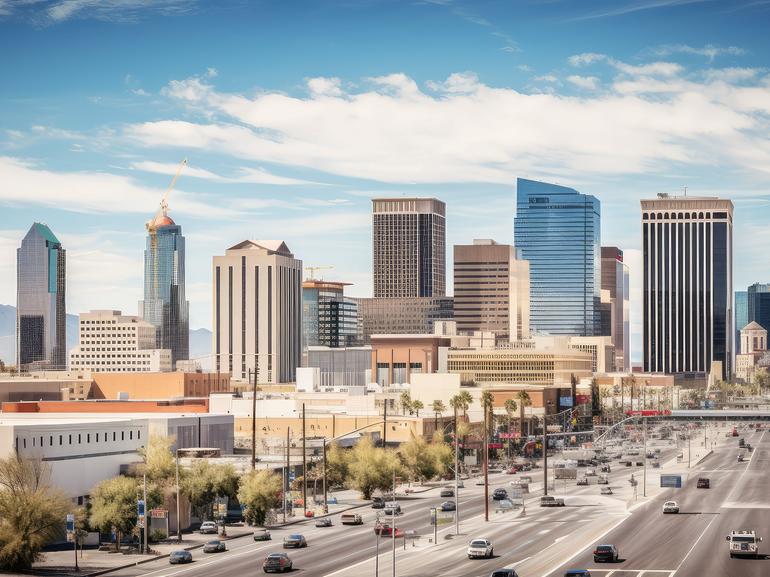
Despite softening a bit, the Phoenix multifamily market continued to post better-than-expected operating performance during the third quarter. Absorption has been elevated and has kept pace with heightened levels of new supply coming online. The vacancy rate for stabilized properties ended the third quarter at 7.2%, just 10 basis points higher than one year earlier. While stabilized properties, particularly in mature submarkets, are outperforming earlier forecasts, there are still stresses in the market. Newly delivered units still in lease-up are continuing to create a supply-demand imbalance in some of the market’s most active areas for new construction, led by Goodyear/Avondale, Downtown Phoenix, and the area surrounding the Paradise Valley Mall redevelopment. These supply-side pressures are continuing to weigh on rents throughout the Phoenix metro area. Current rents are down 3.0% from one year ago and are more than 8.0% lower than peak levels recorded in 2022.
Sales velocity cooled somewhat during the third quarter although year-to-date transaction counts are slightly ahead of the 2024 pace. The biggest shift in the multifamily investment market from last year to this year has been the mix of properties that are being acquired. In 2024, recently delivered properties accounted for a large share of the transactions, while only a handful of older assets changed hands. To this point in 2025, the pace of newer property sales has slowed, while sales of 1970s- and 1980s-vintage properties have nearly doubled. With older Class B and Class C properties accounting for a broader mix of total transactions, the market’s median per-unit price has fallen by about 15% from 2024 to 2025, even as cap rates have held mostly steady in the low- to mid-5% range.
Looking ahead
Operating conditions in the Phoenix multifamily market are expected to soften a bit further in the final few months of 2025. While the number of units currently under construction has reached its lowest total in nearly four years, the pace of new deliveries is expected to remain elevated for a few more quarters, and developers will be bringing new units online after several consecutive years of above-trend inventory growth. Vacancies will likely continue to creep higher in the coming periods despite continued renter demand for units. The competitive leasing conditions should persist into 2026, dragging on rents. While much of the new construction has been located in the West Valley, several properties are expected to come online in North Scottsdale, which features one of the lowest multifamily vacancy rates in the Phoenix area.
The dip in investment activity during the third quarter is likely to change course in the coming months. In recent quarters, the transaction mix has expanded, with trades involving older vintages playing an increasing role after investors focused primarily on new properties in lease-up or at stabilization in 2024. The investment market should benefit from the combined forces of investors considering a broader range of potential acquisitions and a period of lower interest rates. Investor interest in area properties will also be influenced by renter demand levels. Year to date, area net absorption is up more than 10% compared to the same period in 2024, offsetting some of the supply-side pressures on operations and supporting investor sentiment. If a similar leasing momentum proves to be sustainable into 2026, it will likely result in a greater number of properties being acquired.
Learn more
Contact our Phoenix office for more information.
Get the report


Insights
Research to help you make knowledgeable investment decisions