
Construction starts slow in Boston as deliveries remain elevated for the multifamily market
Q4 2025
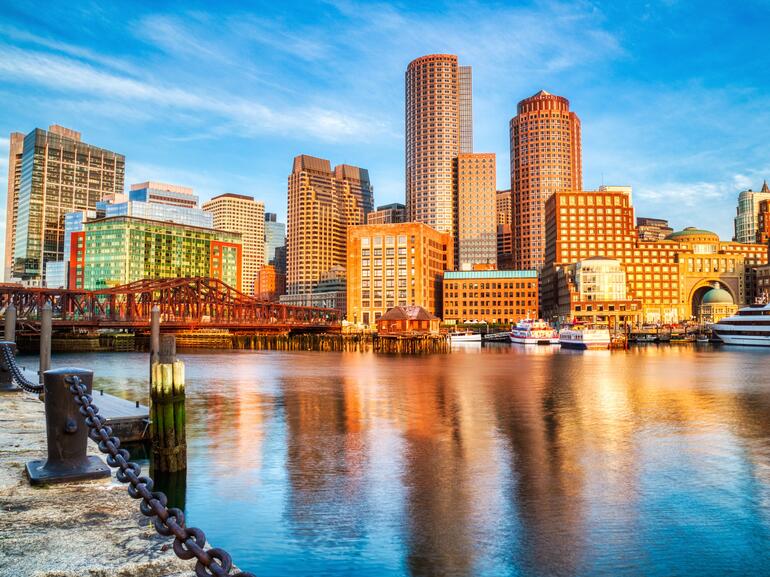
Greater Boston multifamily market overview
Stable absorption and a consistent construction pipeline underscored multifamily resilience in Boston during 2025. While net absorption nearly matched levels from the previous two years, deliveries outpaced demand, putting pressure on vacancy. Despite elevated interest rates and labor uncertainties, construction activity remained strong. Regulatory shifts defined the year, with Boston and Cambridge enacting zoning reforms, including the city’s first height-limit updates in 30 years to spur downtown density. These local efforts were bolstered by the MBTA Communities Act, facilitating development in tight first-ring suburbs like East Middlesex County, Quincy, and Waltham-Newton-Lexington, which all maintained vacancies below 5%. Combined, these fundamentals point to a stable outlook for the urban core and its periphery in 2026.
In 2025, investment remained concentrated in the Everett-Malden-Medford-Melrose corridor and the Metro West submarket—two regions where pricing has trended higher in recent months. While post-2010 builds account for nearly 30% of the metro’s total inventory, persistent housing shortages continue to drive interest in high-quality assets as they become a more permanent fixture of the region's established rental stock. Reflecting the continued interest in suburban scale, two of the year’s largest transactions closed in the fourth quarter with significant acquisitions in North Andover and Quincy.
Looking ahead
Supply-side pressures are expected to persist through 2026, with deliveries forecast to stay above the five-year average. While this near-term influx of inventory is forecast to exceed historical levels, a significant slowdown in permitting activity suggests a thinning long-term pipeline that will eventually support market stability. Despite largely stable fundamentals, the investment climate faces a notable political headwind, a potential 2026 statewide ballot measure on rent control. The Boston City Council recently adopted a resolution urging support for the initiative, which seeks to cap annual rent hikes. If passed, this measure could fundamentally alter the region's long-term rent growth and development trajectory and remains a primary point of monitoring for institutional investors.
Multifamily transactions will remain a primary harbor for capital in 2026, offering liquidity as local office and life science markets navigate ongoing headwinds. Large-scale mixed-use completions, specifically South Station Tower, Winthrop Center, and the Fenway Center buildout, are expected to strengthen core locations, supporting pricing for top-tier offerings and generating spillover interest in nearby middle-market assets in 2026. At the same time, the Seaport District is poised for a resurgence in business interest, highlighted by the Hasbro headquarters move, which may catalyze value-add opportunities in a submarket where new apartment delivery remains limited. Over the past three years, multifamily sales have represented more than 40% of total commercial real estate transaction activity throughout Boston, a trend expected to persist through 2026.
Learn more about the Boston multifamily market
Contact the experts in the Boston office today!
Get the report


Insights
Research to help you make knowledgeable investment decisions