
Redefining the net lease playbook: Why hybrid assets are beginning to take center stage
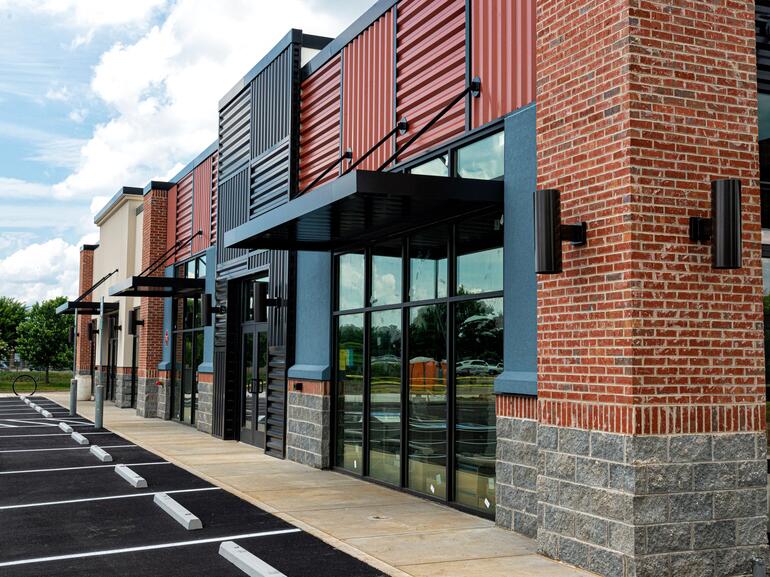
For decades, the net lease investment formula was refreshingly simple. You acquired a standalone pharmacy, a bank branch or a fast-food restaurant. You collected a check. The tenant handled the maintenance, insurance and taxes. It was a predictable, somewhat rigid asset class defined by clear boundaries between "retail," "office" and "industrial."
But that simplicity is evolving. As capital flows into commercial real estate this cycle, investors have more options than the traditional buckets of the past. Now, we are witnessing the rise of the hybrid asset – properties that blend uses in ways that defy old categorizations while offering the stability and passive income that net lease investors crave.
The new face of net lease
What does a hybrid net lease asset look like? It often sits at the intersection of necessity and service. The most prominent example is the "medtail" phenomenon – medical tenants occupying retail spaces. Urgent care centers, dialysis clinics and physical therapy outposts are no longer hidden in hospital campuses or medical office buildings. They are anchoring strip centers and occupying high-traffic retail locations including high-visibility corners that offer better parking and easier ingress/egress.
We are also seeing a rapid evolution in the automotive sector. The old gas station model is transitioning into a complex hybrid of service center, convenience retail and electric vehicle (EV) charging infrastructure. These sites are no longer just places to fuel up. They are destinations where consumers dwell while their vehicles are serviced or charged. With work stations, customer lounges, free Wi-Fi, snacks, coffee and other amenities, a new class of automotive lifestyle centers has emerged.
Similarly, "wellness clusters" are growing in popularity. It is increasingly common to see veterinary clinics, dental offices and specialty healthcare providers grouped together. These tenants benefit from shared, stable traffic but operate with distinct, recession-resistant business models.
Why the landscape is shifting
Three primary forces are driving this reconfiguration: zoning, demographics and service-based consumption.
Zoning boards across the country are adapting to reality. Municipalities are increasingly willing to approve mixed-use zoning or allow light medical uses in traditional retail corridors. They recognize that service-based businesses generate consistent foot traffic, which supports neighboring retailers.
Demographics play an equally critical role. An aging population requires accessible healthcare close to home, fueling the explosion of neighborhood medical clinics. Simultaneously, the "pet humanization" trend has turned veterinary care into a non-discretionary expense for millions of households. With high tenant build out costs and recession-resistant fundamentals, these trends make vet clinics premier net lease targets.
Most importantly, consumer behavior has shifted. While goods can be bought online, services cannot. You can’t get a teeth cleaning, a pet surgery or a tire rotation via e-commerce. This reality insulates hybrid assets from the digital disruption plaguing many traditional soft-goods retailers.
Underwriting the unconventional
For conservative investors, these new assets can be confusing. They don't always come with an investment-grade credit rating from a Fortune 500 parent company. However, they often underwrite better than traditional assets for one key reason: tenant stickiness.
Hybrid tenants can require massive capital expenditures to build out their spaces. A dental practice or a veterinary surgery center, for example, may involve specialized plumbing, lead-lined walls for X-rays or complex electrical systems. Once a tenant invests that capital, they are more likely to sign a longer lease term. It also strengthens the landlord’s renewal leverage. The cost of relocation becomes prohibitive for the tenant.
When you combine high tenant retention with e-commerce resistance, the risk profile of these hybrid assets becomes extremely attractive. They may not fit the old playbook, but they are rewriting the rules of what a secure, profitable net lease looks like.
Get the report


Insights
Research to help you make knowledgeable investment decisions