
Outpatient healthcare real estate outlook and the role of accessible demand
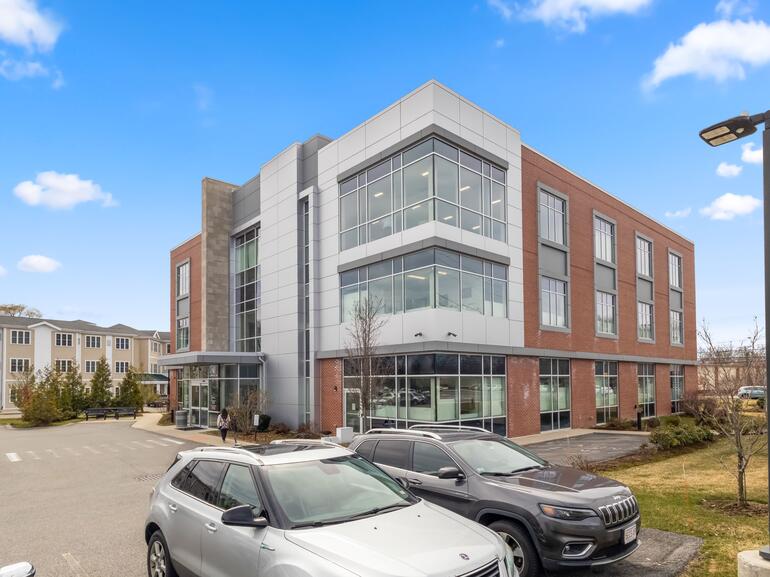
Physician alignment, referral access and payer relationships are becoming central to outpatient real estate performance.
Favorable demographics point to more surgical demand. A facility’s relationships with physicians, referral networks and payers determine how much of that demand becomes case volume.
When underwriting assumes patient volume a facility cannot reach, revenue, stabilization and debt coverage projections all begin from the wrong base. Owners, investors and lenders need to know how patients will reach a facility before they price the demand around it.
The cost of getting that wrong is rising. Federal policy is expanding outpatient procedure eligibility, the population requiring specialty care is growing and physician supply is tightening. Capital committed today will shape which facilities serve that demand over the next several years.
Patient flow has also grown more concentrated. Health systems own many of the primary care groups that influence referral patterns. Vertically integrated payers shape the networks available to covered populations. Physicians remain central to procedure volume, with their decisions increasingly shaped by the organizations and contracts around them. The lease captures one part of the risk. The patient pathways behind it determine projected revenue, debt capacity and long-term real estate value.
Defining accessible demand
Demographic growth supports sustained demand for specialty and surgical care. Federal policy is expanding the procedures that can move into outpatient settings. Physician supply is tightening at the same time. Together, these forces increase the value of facilities that can attract physicians, reach patients and use limited clinical capacity efficiently.
The critical distinction is between market demand and accessible demand. Market demand measures the patients and procedures in a region, with demographic and policy trends supporting growth across many markets. Accessible demand measures the volume a specific facility can reach and serve based on its physicians, referral sources and payer networks.
The gap can be wide. Health systems, insurers and other corporate organizations have acquired a growing share of physician practices, concentrating many referral relationships within larger networks. Some health systems have also integrated with payers whose Medicare Advantage plans cover large patient populations. A facility outside those pathways may face strong regional demand without capturing much of it.
Patient flow follows relationships
Four areas reveal whether a project has a repeatable path to surgical volume.
Physician alignment. Ownership and economic participation strengthen physician commitment, support recruitment and encourage consistent facility use. Alignment preserves the incentives that encourage physicians to build and sustain procedure volume, a factor that grows more consequential as surgeon supply tightens.
Referral access. Health system relationships and primary care networks influence which specialists patients reach and where procedures take place. Where referral control has consolidated, this is often the single most important driver of volume.
Payer participation. Insurance contracts determine which patients a facility can serve and how its procedures are reimbursed. Those terms directly affect margin and debt coverage.
Operating capability. Staffing, scheduling, purchasing and clinical execution determine whether a facility converts accessible demand into reliable financial performance.
A financeable project connects these elements to a case-volume map. Capital providers need to know who will use the facility, where patients originate, which contracts provide access and whether the operator can deliver the cases embedded in the forecast.
Why the decision window is narrowing
54.7% | Projected growth in the U.S. population age 75 and older by 2036, supporting sustained demand for specialty and surgical care.
Up to 86,000 | Projected U.S. physician shortage by 2036, increasing the importance of facilities that help physicians use their time and capacity efficiently.
42.2% | Share of physicians in private practice in 2024, down from 60.1% in 2012. The decline underscores how employment and corporate ownership increasingly shape physician decision-making.
Expanded in 2026 | The Centers for Medicare & Medicaid Services (CMS) broadened ambulatory surgery center procedure eligibility and began phasing out the inpatient-only list. The changes create a pathway for more procedures to migrate to outpatient settings.
The best capital strategy may already be standing
For many outpatient strategies, existing facilities offer the most practical path to growth. Elevated financing and construction costs continue to limit new development. Ambulatory surgery centers face an especially high hurdle because operating rooms require specialized mechanical systems, medical gas, backup power and infection-control infrastructure. The resulting basis leaves less room for error in volume, reimbursement and stabilization assumptions.
Redevelopment can shorten the path to operations and reduce the capital at risk. An existing surgical facility may also bring established physician relationships, payer contracts, applicable regulatory approvals and a verifiable record of patient volume. Recapitalization can fund improvements, strengthen operations or introduce new partners without recreating the entire platform.
A lower basis does not resolve every weakness. Outdated infrastructure, weak reimbursement or insufficient physician concentration can erase that advantage. The best candidates pair a sound market with a platform that new capital or a new partnership can improve.
Joint ventures among health systems, physicians and specialized operators are gaining traction because each participant addresses a different part of the operating model.
Rebuilding a Houston-area surgical hospital
The challenge. Declining reimbursement and rising operating costs weakened the performance of an established surgical hospital following the pandemic. Staffing pressure, equipment expenses and administrative demands added to the strain.
The partnership. A sponsor assembled a joint venture among the physician owners, a large health system and a specialized operator, giving each partner a defined role in improving performance.
The anticipated impact. Affiliation with the health system was expected to strengthen payer contracting and open access to its primary care referral network. The operator would add purchasing power and resources for nursing recruitment and retention. Physicians would gain administrative support and retain a direct economic interest in the hospital’s performance. The health system would gain access to an established surgical platform. The facility could retain the personalized experience its patients valued.
The facility already had physical capacity and physician participation. The joint venture was designed to strengthen the relationships and execution needed to make that capacity productive. For capital providers, the opportunity came through restructuring the platform around the real estate already in place.
Underwriting beneath the lease
A lease documents the income supporting an outpatient facility. The clinical and operating network behind it determines whether that income holds. Five questions should precede any capital commitment.
- How concentrated is procedure volume? Identify the physicians behind projected cases, their expected tenure and the facility’s ability to recruit replacements. Flag dependence on one surgeon or specialty.
- How reliable is patient access? Trace where referrals originate, which payer networks include the facility and how health system relationships shape access. Test changes in physician employment, network participation and referral patterns.
- How sensitive are margins to reimbursement changes? Stress-test lower rates, payer-mix shifts and greater use of capitated contracts. Determine how much pressure the facility can absorb and still meet its obligations.
- Can the operator manage cost pressure? Evaluate staffing stability, purchasing arrangements, scheduling efficiency and the capital required during ramp-up. Determine whether the operator can convert volume growth into margin.
- What protects the real estate? Measure rent and debt coverage under lower-volume scenarios. Test the facility’s adaptability, potential replacement operators and conversion costs.
Every investment committee should be able to trace a projected case through the referral source, payer network, physician, operating room and resulting cash flow. A credible thesis makes that path visible.
Why the next one to two years matter
Demographic growth, expanded procedure eligibility and tightening physician capacity are expected to increase outpatient volume through the end of the decade. Owners seeking to capture that demand are making capital and real estate decisions now.
Capturing that demand requires early commitment and underwriting that traces volume to its source. Patient access, operating strength and a supportable development basis will determine whether new capacity produces sustainable volume or contributes to future oversupply.
Demographic growth expands market potential as policy opens more procedures to outpatient settings. Project-level performance depends on an operating network capable of attracting physicians, reaching patients and adapting to changing reimbursement conditions. Projected demand becomes durable real estate value when an owner secures reliable access to the pathways patients follow to receive care.
Sources: Association of American Medical Colleges, American Medical Association and Ambulatory Surgery Center Association.
Get the report


Insights
Research to help you make knowledgeable investment decisions