
From empty spaces to profitable places: The role of adaptive reuse in addressing CRE vacancy challenges
Vacancies in commercial real estate (CRE) have always been a concern for property owners and investors. However, in a market facing evolving work habits, shifting consumer behavior and economic uncertainties, addressing CRE vacancies has become increasingly urgent. Adaptive reuse, the practice of repurposing buildings for a use other than originally intended, has emerged as a creative and often financially viable strategy to counteract vacancy challenges.
What is adaptive reuse?
Adaptive reuse refers to transforming underutilized or vacant commercial spaces into new, functional properties better suited to current market demand. These projects could involve redeveloping office buildings into apartments or hotels, turning warehouses into retail centers or converting industrial spaces into mixed-use developments.
Unlike traditional demolition and reconstruction, adaptive reuse preserves much of the original structure, minimizing waste and speeding up redevelopment timelines. With growing concerns over environmental sustainability and historic preservation, adaptive reuse is gaining popularity as an efficient and eco-friendly approach to CRE revitalization for both owners and the municipalities in which the buildings reside.
What’s driving momentum?
Several factors are fueling the rise of adaptive reuse in the CRE sector today.
- Shifts in demand post-pandemic
The COVID-19 pandemic permanently altered how people interact with commercial spaces. Remote work and hybrid office models have decreased the demand for traditional office spaces. At the same time, there is a growing need for housing, entertainment and essential services in urban centers. Adaptive reuse allows for supply alignment with these changing patterns. - Heightened focus on ESG goals
Investors and developers are under increasing pressure to meet environmental, social and governance (ESG) criteria. By reducing demolition waste and utilizing existing materials, adaptive reuse greatly enhances a project's sustainability score. - Appeal to local governments and communities
Cities facing high vacancy rates and deteriorating properties may offer incentives like tax breaks or expedited permitting for adaptive reuse projects. Developers can reintroduce vibrant, practical spaces into communities without the costs associated with new construction. - Cost and time efficiency
Repurposing an existing structure often costs less and takes less time than demolishing and building a new property. For investors, this could mean quicker returns and more attractive financial metrics.
Benefits of adaptive reuse for investors
- Increased ROI potential
Adaptive reuse projects often unlock hidden value in existing structures. For example, converting office spaces into residential units can tap into markets with robust housing demand, creating a steady cash flow for investors. Additionally, such repurposing projects may qualify for government incentives or grants aimed at revitalizing urban areas. - Risk mitigation
Adaptive reuse projects may come with lower risks compared to new developments. Since these projects use existing structures, there’s reduced exposure to construction delays or fluctuating material costs. Developers can also better gauge market conditions by selecting properties in regions where adaptive reuse aligns with current demand, reducing the risk of obsolescence. - Enhanced asset value
By giving an old property a new purpose, owners can significantly boost its long-term value. For instance, historic buildings converted into boutique hotels or coworking spaces garner a premium due to their unique character and charm. - Localized market appeal
Properties that reflect local culture and meet community needs tend to draw higher tenant retention and customer satisfaction. Adaptive reuse allows developers to create solutions that address unique challenges specific to their target demographic.
Examples of successful adaptive reuse projects
Hudson Yards, New York City
Hudson Yards, one of New York City's largest redevelopment projects, epitomizes the potential of adaptive reuse. While it primarily involved the transformation of underutilized rail yards, this mixed-use development now features office buildings, retail spaces, luxury residences and amenities. Developers turned a neglected area into a thriving community hub, attracting top tenants and bolstering local economic growth.
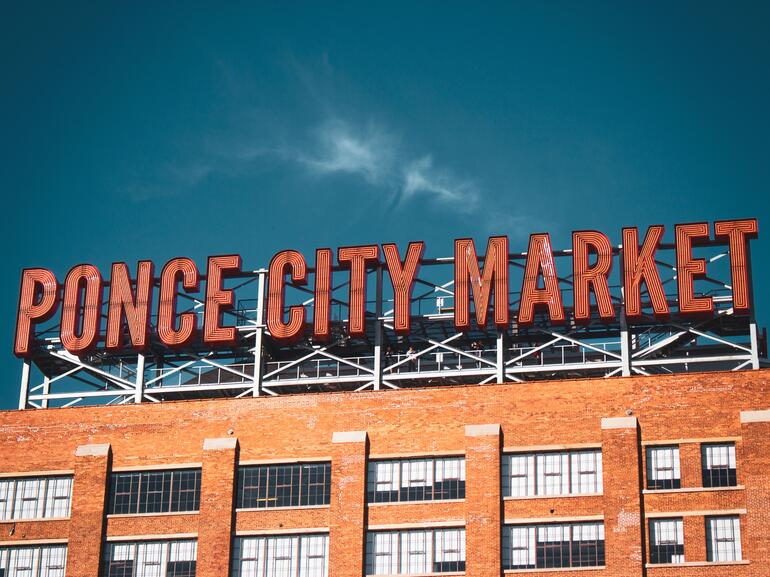
Ponce City Market, Atlanta
Once known as the Sears, Roebuck & Company Building, the historic structure was repurposed into Ponce City Market, a vibrant mixed-use space that combines retail, office environments and residential living. This redevelopment preserved the original industrial-style architecture while modernizing the site to meet the city's growing demand for community-oriented spaces.
Old Chicago Main Post Office, Chicago
This massive project transformed a 2.5-million-square-foot, art deco building into a mixed-use space. Originally built in 1921 and expanded in 1932, the building sat vacant for nearly two decades before its revitalization. The redevelopment preserved its historic architectural elements, such as the marble lobby and mail chutes, while adding modern amenities like a rooftop park, fitness center and retail spaces. This project exemplifies how adaptive reuse can blend historical preservation with contemporary urban needs.
The High Line, New York City
The High Line, an abandoned elevated rail line, was transformed into a scenic public park that has drastically increased surrounding property values. Innovative developers recognized the value of adapting decayed infrastructure into a greenspace that promotes recreation and brings foot traffic to neighboring commercial properties.
Stocking 51, Nashville
Originally built in 1927 as the Belle Meade Hosiery Mill, this adaptive reuse project transformed a historic industrial site into a vibrant mixed-use development. It now features creative office spaces and retail, catering to a variety of industries like technology, financial services and fitness. This project highlights how adaptive reuse can preserve architectural heritage while meeting modern commercial needs.
The Mercantile, Cincinnati
This $80 million adaptive reuse initiative transformed two historic office buildings – the beaux-arts Mercantile Library Building, originally built in 1903, and the modernist Formica Building built in 1970 – into market-rate housing and commercial spaces. The project preserved the historic integrity of these structures while addressing the growing demand for urban housing. It also expanded the iconic Mercantile Library which has been a cultural hub in Cincinnati for over 200 years.
How adaptive reuse addresses CRE vacancy challenges
- Filling market gaps
Adaptive reuse allows property owners to target untapped markets. For instance, regions with excess office vacancies may face a shortage of residential or retail spaces. By converting properties into emerging-use spaces, landlords can attract tenants and help bridge market gaps. - Revitalizing blighted properties
High vacancies can lead to urban decay, discouraging further investment in an area. Adaptive reuse turns these liabilities into opportunities, inspiring community reinvestment and spurring growth in local economies. - Encouraging mixed-use communities
Mixed-use developments – where residential, retail, coworking and hospitality seamlessly coexist within the same property – are among the most vibrant and in-demand real estate formats today. Adaptive reuse makes it possible to introduce this dynamic into areas with limited viable land. - Catering to experience-centric lifestyles
Modern consumers increasingly value experiences over products. Repurposed spaces like cultural centers, artisanal shopping hubs, pop-up business districts or collaborative workspaces reflect this trend, making adaptive reuse an ideal solution for creating experiential environments.
What should investors consider before embarking on adaptive reuse?
Investors interested in adaptive reuse should start by conducting thorough feasibility studies to determine both costs and market demands. Factors like physical plant makeup, zoning laws, structural integrity, renovation timelines and community needs should drive decision-making.
Involving architects, urban planners and legal counsel early in the process will help identify and address potential challenges. Additionally, aligning with local governments and organizations that support redevelopment efforts may provide valuable financial and logistical benefits.
What if adaptive reuse isn't right for your project?
While adaptive reuse offers an innovative solution to CRE vacancy challenges, it’s important to recognize that not every property is a suitable candidate for this approach. Various factors can limit adaptive reuse potential, such as structural design, market feasibility and practical constraints, making demolition and redevelopment a more viable alternative in some cases.
For instance, certain building layouts, like square office towers, pose inherent challenges. These structures typically have limited access to natural light, which can be a significant obstacle when converting them into multifamily housing or other uses that rely on well-lit spaces. Retrofitting such properties can result in inefficient layouts and diminished usability, often leading to higher costs and lower returns.
Demolition and redevelopment may become the preferred strategy when these restrictions emerge. By tearing down outdated or nonfunctional buildings, developers can unlock higher land values and maximize site potential, particularly in areas where zoning allows for increased density. For example, if significant additional square footage can be built, the underlying land value may surpass the investment or adaptive reuse value of the existing property. Redevelopment enables investors to start fresh, tailoring the project entirely to future market demands and modern design standards.
Ultimately, a careful analysis of costs, density opportunities and market conditions should guide the decision between adaptive reuse and redevelopment. Investors working with properties that face functional or structural impediments may achieve better results by opting for redevelopment to meet their goals more efficiently.
Final thoughts
Adaptive reuse has emerged as a trailblazing approach to addressing CRE vacancy challenges, offering opportunities to revive underutilized properties while preserving historical and environmental value. That said, it is critical for investors to approach each project with a nuanced perspective. Not every property will lend itself to adaptive reuse, and in some cases, redevelopment can provide a more practical and profitable path forward.
By weighing the unique aspects of each property and market, investors can choose the most suitable strategy to unlock value and drive sustainable growth. Whether through adaptive reuse or redevelopment, the key lies in creating purpose-driven spaces that meet the evolving needs of both tenants and communities.
Get the report


Insights
Research to help you make knowledgeable investment decisions