
A comprehensive guide to industrial outdoor storage
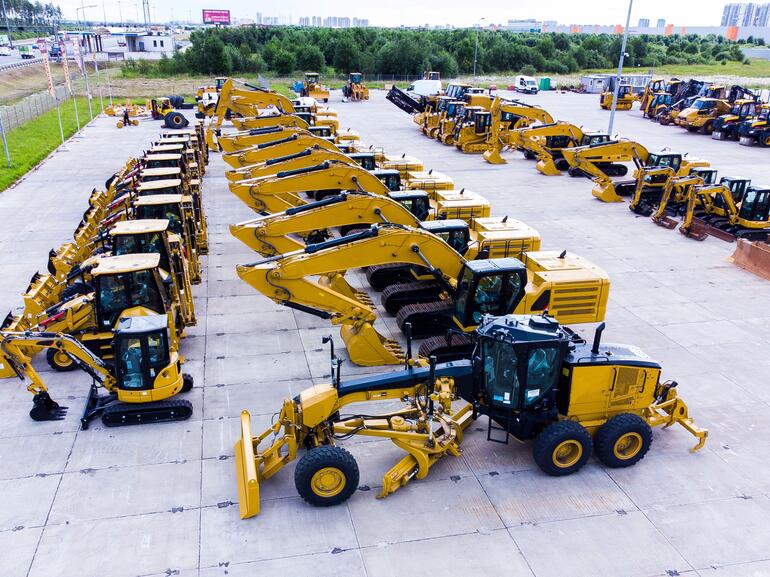
Industrial outdoor storage (IOS) has quietly evolved from an overlooked niche to one of commercial real estate's most compelling asset classes. Industrial outdoor storage real estate is increasingly recognized for its unique investment potential. For investors seeking higher returns with lower capital requirements, IOS presents opportunities that traditional industrial properties simply cannot match. This comprehensive guide explores everything you need to know about this growing sector.
Defining industrial outdoor storage
What is industrial outdoor storage? It refers to open-air facilities designed for storing equipment, vehicles and materials that don't require enclosed warehouse space. Also referred to as outdoor industrial storage, these facilities prioritize land use over building structures. These sites typically feature large paved or graveled areas with minimal building structures, focusing on functionality over aesthetics.
Common uses for IOS facilities include truck terminals where third-party logistics companies (3PLs) gather and distribute goods, storage for construction equipment and building materials like lumber and roofing supplies, and parking areas for commercial vehicles, trailers and shipping containers. The transportation and logistics industries represent the largest user base, relying on these facilities as critical nodes in their supply chain operations.
Unlike traditional warehouses, IOS properties emphasize land utilization rather than building square footage. This fundamental difference creates a unique investment profile that attracts both institutional and private investors seeking exposure to industrial real estate trends without the high costs associated with constructing and maintaining traditional industrial buildings.
Why is IOS gaining popularity?
The growing appeal of IOS stems from compelling supply and demand dynamics that favor investors. Limited supply creates natural scarcity, while increasing demand from logistics companies drives rental growth and property values higher.
Zoning restrictions present the primary supply constraint. Many municipalities resist approving IOS projects due to concerns about truck traffic, lower tax revenue compared to traditional industrial buildings and community opposition. These regulatory barriers create a competitive advantage for existing properties while limiting new competition.
From a demand perspective, the growth of e-commerce and onshoring of manufacturing continues driving the need for logistics infrastructure. IOS facilities can serve as crucial last-mile distribution points and staging areas that support these broader economic trends. The result is consistent occupancy rates and rental growth in well-located properties.
Institutional investors have recognized IOS as a scalable opportunity to gain exposure to industrial real estate fundamentals while achieving higher yields than traditional warehouse properties. Major investment groups now target IOS portfolios to achieve diversification and scale, typically paying an estimated 100 to 150 basis points over standard industrial cap rates depending on location and market characteristics.
Key investment considerations
Location drives IOS investment success more than any other factor. For industrial outdoor storage real estate, location is the most critical determinant of value. Properties near seaports, intermodal hubs, airports and major highways command premium rents because they reduce transportation costs for tenants. For 3PL companies, proximity to these infrastructure assets directly impacts their operational efficiency and profitability.
The specific tenant use case also influences location requirements. While logistics companies prioritize access to transportation networks, construction-related tenants value proximity to job sites and customer bases. Understanding your target tenant profile helps identify optimal acquisition opportunities.
Environmental considerations require careful due diligence. Properties must be environmentally clean with proper zoning for intended uses. Previous industrial uses may have created contamination issues that could impact development potential or create unexpected remediation costs.
Infrastructure capacity increasingly matters as tenants upgrade their fleets. For example, many IOS locations lack sufficient electrical capacity to support EV charging for commercial truck fleets. Upgrades may include panel enhancements, smart load management systems and increased utility capacity. While these improvements can be capital-intensive, they are increasingly necessary to meet tenant demands and future-proof properties.
Benefits of investing in IOS
IOS offers several advantages over traditional industrial investments. Outdoor industrial storage provides unique benefits, including steady cash flow and lower capital requirements, which remain relatively low since these properties emphasize land over buildings. Maintenance costs stay minimal compared to warehouse properties with complex building systems and climate control requirements.
Most IOS properties lease on a triple-net basis, transferring operational responsibilities to tenants while providing steady cash flow to owners. This structure creates a "lighter touch" investment that requires less active management than traditional industrial properties.
Gross returns frequently reach 12% to 14% over seven to 10-year holding periods, particularly when combined with value-add strategies. These returns reflect both the scarcity value of well-located properties and the premium tenants pay for strategic locations.
The land-based nature of IOS investments provides built-in exit strategies through redevelopment potential. As urban areas densify and industrial land becomes scarcer, IOS properties often present higher and better use opportunities that create additional value for patient investors.
1031 exchange opportunities make IOS particularly attractive for investors seeking to defer capital gains while maintaining exposure to commercial real estate. The combination of steady cash flow and long-term appreciation potential appeals to investors transitioning from other property types.
Challenges and barriers
Despite attractive returns, IOS faces several structural challenges. Supply constraints that benefit existing owners also limit acquisition opportunities. Well-located properties rarely come to market, and when they do, competition from institutional buyers drives pricing higher. Investors searching for industrial outdoor storage for sale often face limited inventory and high demand.
Community relations present ongoing challenges. Local governments view IOS properties unfavorably due to lower tax revenue per acre compared to traditional industrial buildings. Residents in nearby neighborhoods often oppose IOS facilities due to increased truck traffic and concerns about property values.
Existing IOS sites face constant redevelopment pressure as urban areas expand. Prime locations frequently get converted to higher value uses like multifamily or retail development, reducing available inventory and forcing tenants to relocate to less convenient locations.
Infrastructure upgrades required for modern tenant needs can strain property budgets. EV charging capabilities, enhanced security systems and improved lighting all require capital investment to attract and retain quality tenants.
The role of regional banks and private credit
Regional banks finance approximately 90% of IOS transactions, filling a gap left by national lenders who historically lacked standardized products for this asset class. This makes them a key resource for those looking to identify industrial outdoor storage for sale. The smaller transaction sizes typical of IOS deals align well with regional bank lending parameters and relationship-based underwriting approaches.
Private credit opportunities continue expanding as the asset class matures. Bridge loans and structured finance products support acquisition and development activities, while the securitization of IOS-backed loans provides additional capital sources for growth.
Institutional lenders increasingly recognize IOS as a legitimate asset class worthy of dedicated lending products. This evolution supports market growth by providing more financing options for investors and developers seeking to capitalize on opportunities.
The future of IOS
Long-term trends favor continued IOS growth and institutionalization. E-commerce expansion requires more logistics infrastructure, while manufacturing onshoring creates demand for domestic supply chain facilities. These fundamental drivers support sustained demand for strategically located IOS properties.
Additionally, as sustainability becomes a key focus for the logistics industry, IOS facilities are evolving to integrate green technologies. EV readiness, solar power installations and energy-efficient lighting are just a few examples of how these properties are adapting to meet modern environmental and operational demands.
Market maturity brings both opportunities and challenges. As institutional capital continues flowing into the sector, cap rates may compress toward traditional industrial levels. However, supply constraints and strong demand fundamentals should support continued rental growth and property value appreciation.
The fragmented ownership structure of existing IOS inventory creates opportunities for consolidation-minded investors. Many properties remain owned by small business operators who may lack capital for improvements or succession plans, creating acquisition or sale-leaseback opportunities for patient buyers.
Final thoughts
Industrial outdoor storage represents a compelling opportunity for commercial real estate investors seeking exposure to industrial fundamentals with enhanced returns. The combination of supply constraints, growing demand and lower capital requirements creates an attractive investment profile for both institutional and private investors.
Success in IOS requires patience, local market knowledge and careful attention to location fundamentals. Investors who understand tenant needs, regulatory challenges and infrastructure requirements position themselves to capitalize on this evolving asset class. As IOS continues maturing and gaining institutional acceptance, early entrants should benefit from both cash flow and long-term appreciation potential.
Insights
Research to help you make knowledgeable investment decisions