
Orlando multifamily transaction activity accelerates in second half
Q4 2025
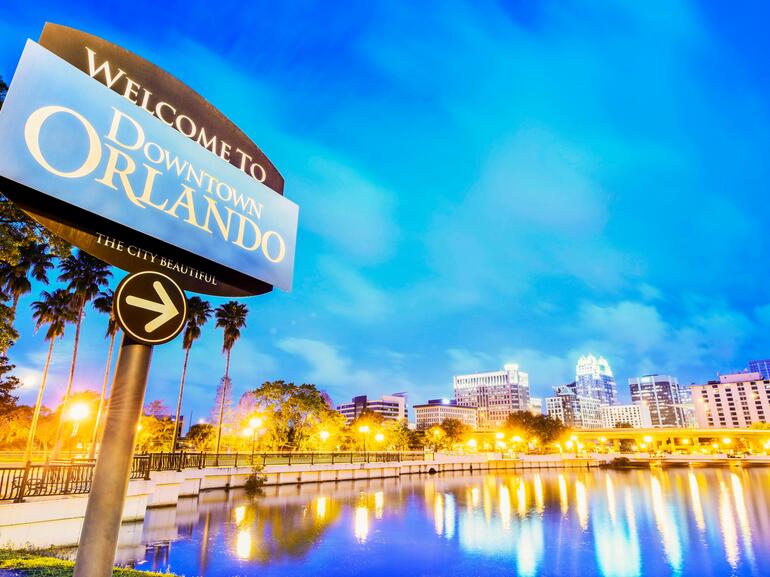
The Orlando multifamily market continued to record mixed property performance during the current expansion of new supply. Area vacancies have increased, but strong demand has kept increases modest while supporting rent gains for the past several quarters. During the five-year period ending in 2024, the population in the Orlando metro area spiked by 12.7%, one of the fastest rates of expansion for large markets in the country. This ongoing population growth continues to support net absorption, which has totaled approximately 8,000 units during the past 12 months. While demand remains elevated, the pace of new supply has slowed from the 2023 peak. The current construction pipeline contains roughly 40% fewer units under construction than a year ago. As supply and demand move into better balance, further increases in vacancy should be limited.
Investment activity accelerated materially in 2025, with transaction velocity and volume reaching the highest levels since 2022. During the year, transaction activity was dominated by large Class A and Class B properties built since 2000, with nearly all assets trading above $50 million. Despite the recent surge in sales of newer vintages, the median per-unit price has declined this year, continuing a downward trend that has persisted since 2022. This pricing adjustment reflects the current cap rate environment. Since 2022, cap rates have increased by roughly 100 basis points, with multifamily assets currently trading at average cap rates of approximately 5.0% to 5.5%, depending on asset class and submarket.
Looking ahead
Orlando’s multifamily fundamentals are well positioned for balance as new supply continues to taper and demand remains elevated. Deliveries in 2025 declined 10% from 2024, and the supply pipeline indicates that 2026 will see another year of elevated, but more moderate, deliveries. Sustained renter demand is expected to offset most of the impact from additional supply. Current absorption should support lease-up velocity for recently delivered Class A assets in high-growth submarkets such as Kissimmee and Osceola, while maintaining strong occupancy across Class B and C properties in submarkets like Northwest Orlando. As new units are absorbed, overall vacancy is expected to remain nearly flat at 8.9% through 2026. Rent growth in Orlando is projected to remain positive, with average asking rents expected to increase approximately 1.2% by year-end 2026.
Anticipated declines in interest rates could support modest cap rate compression in 2026. Cap rates are forecast to stabilize near the lower end of the current 5.0% to 5.5% range. Multifamily transaction activity increased 56% year over year in 2025. An improved interest rate environment could further boost investment activity. As one of the fastest-growing metropolitan areas in the nation, Orlando continues to offer upside opportunities for multifamily investors seeking strong population growth and rent gains. The median price per unit has declined by approximately 25% from 2022 to 2025, presenting an attractive price point for new investors to the market. Motivated sellers offering discounted pricing are creating selective transaction opportunities, particularly for well-located assets serving the region’s workforce.
Learn more about Orlando's multifamily market
Contact our Orlando office for more information.
Get the report


Insights
Research to help you make knowledgeable investment decisions