
San Diego demand keeps pace with surge in new multifamily deliveries
Q3 2025
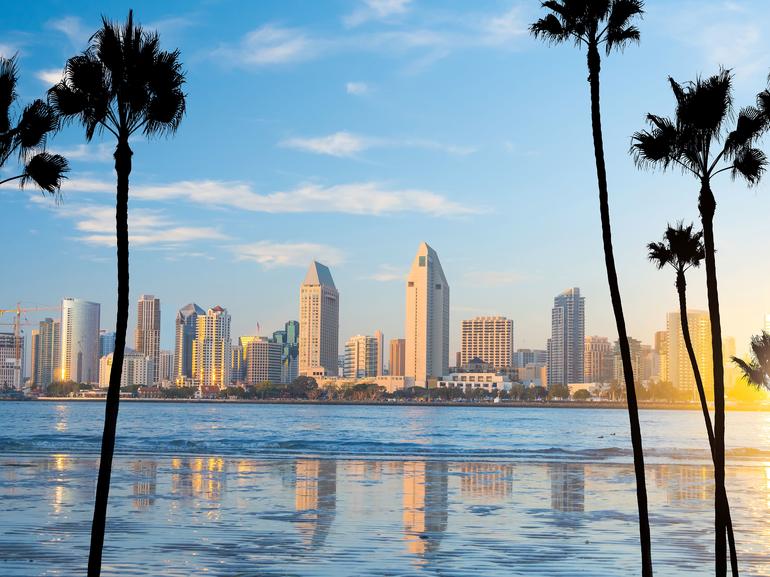
Operating conditions in the San Diego multifamily market remained stable during the third quarter. The vacancy rate inched lower after holding steady throughout the first half of the year, reflecting consistent renter demand despite a rise in deliveries. Asking rents began to dip lower again in the third quarter, declining 0.6% year over year as increased inventory placed mild pressure on pricing. Nearly 4,300 units have been completed since the beginning of the year, surpassing the total annual deliveries recorded in 2024. While the market as a whole has posted mostly steady performance, there have been some divergent trends across the submarkets in the region. La Jolla/University City posted the strongest vacancy improvement, falling 50 basis points over the past 12 months, followed by a 40-basis point decline in the Vista submarket. Rents across much of the region have been flat or declined slightly, although modest increases have been recorded in the El Cajon/Santee/Lakeside and National City/Chula Vista submarkets.
The San Diego multifamily investment market remained active in the third quarter, with year-to-date transaction volume nearly matching the full-year total from 2024 and exceeding 2023 levels. Despite elevated deal flow, pricing trends diverged by asset class. To this point in 2025, the median price per unit is down 5% at $333,300, due to softer prices across Class B properties. The median price in Class B assets reached $343,000 per unit, down 20% from last year. This runs counter to the pricing trends being recorded in Class A assets, where per-unit prices have pushed higher to this point in 2025 across a handful of transactions. The East County submarket continues to capture the highest share of sales this year. North County also had elevated activity, with properties changing hands in Carlsbad and Oceanside. Cap rate stability remains, with the average cap rate keeping around 4.5%, consistent with levels recorded in the trailing two years.
Looking ahead
The rapid pace of supply growth in San Diego will continue for a few more quarters, though changes in rents and vacancy should be modest. Asking rents are expected to end 2025 slightly lower than the prior year, as an elevated construction pipeline increases competitive pressures in the market. Renter demand, while positive, is not expected to completely keep pace with the number of new units coming online, pushing vacancy higher. Vacancies have historically ranged between 3.5% and 4.0%, but the rate will likely average about 100 basis points above these levels through much of 2026. The past five years in San Diego have had some of the strongest absorption on record, averaging 3,000 net move-ins per year. With roughly 6,200 units on pace for delivery this year, and about 4,000 units scheduled for delivery in 2026, it may prove difficult for absorption to keep pace with new supply.
Current investment trends in San Diego are expected to hold through year end, with deal activity likely to accelerate in the coming months. Historically, sales velocity increases in the second half of the year, and current trends suggest a similar pattern in 2025. While the number of trades may remain below long-term norms, 2026 could begin to approach historical benchmarks. Areas such as Chula Vista/Imperial Beach and Downtown San Diego are positioned for increased activity in the near term as these are typically among the most active submarkets. So far this year, transactions have been relatively evenly distributed across the metro. Cap rates are expected to remain stable near 4.5%, consistent with levels observed since early 2023. With pricing still adjusting, investors are likely to remain selective, targeting areas with stable yields and long-term rent growth potential.
Learn more
Contact our San Diego office for more information.
Get the report


Insights
Research to help you make knowledgeable investment decisions