
Operating fundamentals soften in Tucson, but more multifamily properties change hands
Q1 2025
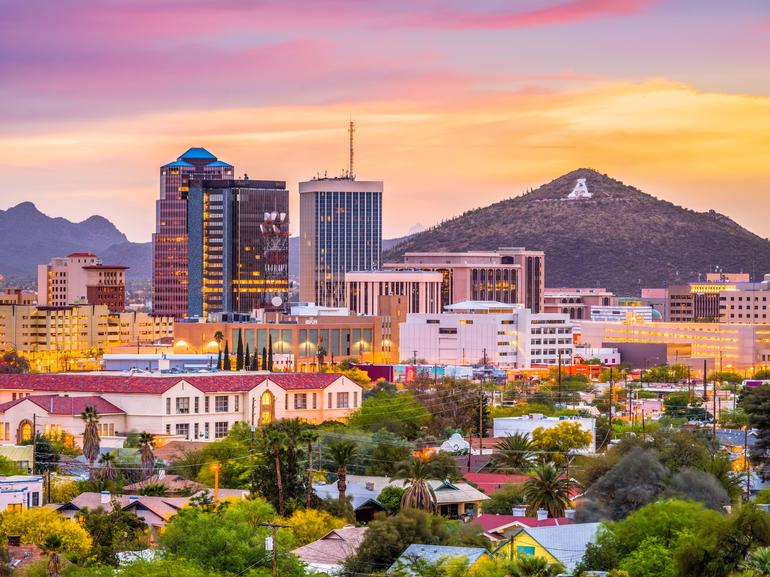
Multifamily operating conditions cooled during the first quarter, driven primarily by the increasing supply in Tucson outpacing demand. While deliveries in the past six months totaled roughly 400 units, 2023 and 2024 were two of the highest years on record for inventory growth, and the cumulative impact of heightened deliveries has begun to drag on operating fundamentals, even as renter demand has been elevated. In 2024, local apartments posted net move-ins for approximately 1,650 units, exceeding the combined total from the previous three years and marking peak levels for the metro area. On the supply side, the construction pipeline remains elevated, and many operators are halting rent increases and offering more concessions to compete with recently delivered properties.
Although multifamily investment activity remains limited compared to traditional levels, sales volume in the first quarter of this year marked the strongest period of activity since the fourth quarter of 2022. More properties were traded in the first three months of 2025 than in the entire first half of 2024, with roughly half of these properties located within approximately 5 miles of the Tucson International Airport. With activity up, pricing has held steady; the median price year to date is nearly identical to last year’s figure. Some of the pricing trend is a result of the mix of properties that are changing hands. In addition to a few smaller, older Class C assets selling, investors have also recently acquired larger properties built in the late-1990s. Cap rates have remained within roughly the same range that they have been in since late 2023, averaging between 5.5% and 6%.
Looking ahead
Some additional softening is likely in the Tucson multifamily market throughout the remainder of this year as the pace of upcoming deliveries will apply further supply side pressures. Projects totaling about 2,400 units are forecast to come online in 2025. However, this will likely be the last year of the recent inventory spike, as permitting slowed in 2024 and is projected to continue to do so in 2025. The vacancy rate is expected to rise to 9% in 2025, but this will likely represent a cyclical peak before the rate improves in subsequent years. Increases to vacancy levels may result in another modest dip in rents, continuing trends from 2024. Operators will likely continue to use concessions to help promote tenant retention. Overall average concessions in Tucson have already trended higher and may be used in greater amounts to attract and retain renters.
The uptick in transaction volume posted in the first quarter suggests that total sales in 2025 will likely outpace the limited levels recorded in each of the previous two years. While transaction counts should rise, some degrees of uncertainty will likely prevent a complete rebound in the coming year. The most likely outcome is a year where transaction volume bounces off of recent lows but lags below traditional norms. Financing costs and recent development volumes may shift the property mix towards more recently built properties. Traditionally, 1970s- and 1980s-vintage properties have made up the majority of sales in Tucson, but during the first quarter, properties built in the late-1990s and early 2000s accounted for about 75% of the sales, a trend that is likely to continue through the end of the year.
Learn more
Contact our Phoenix office for more information.
Get the report

Insights
Research to help you make knowledgeable investment decisions