
Multifamily transaction activity accelerates in Kansas City
Q3 2025
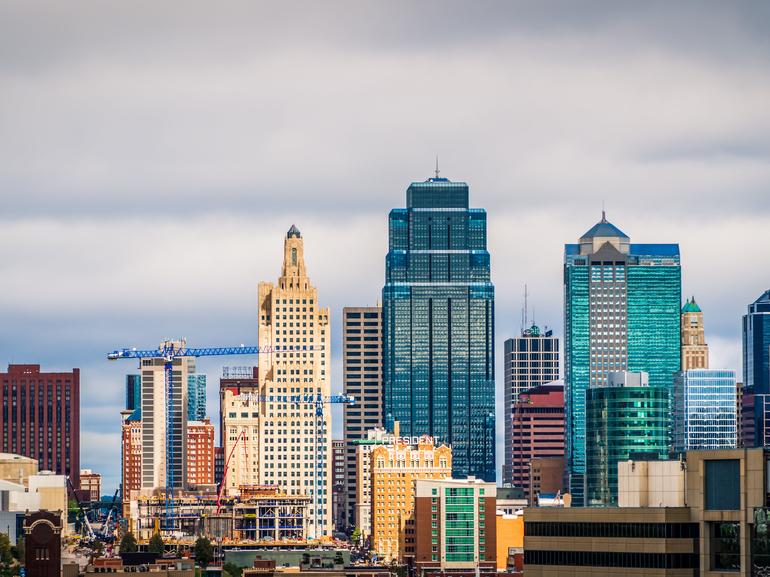
Kansas City multifamily fundamentals have softened in recent months, though many individual submarkets continued to post rent growth and vacancy improvements. A major factor in some of these shifting operating conditions is the pace of deliveries, which has picked up in recent months, surpassing the same point last year by nearly 20%. Newly built properties are spread out across the metro, with a concentration in and around Downtown. The Southwest portion of the metro also accounts for a major share of completions, particularly in areas like Overland Park and Lenexa, and has generally been the best performing portion of the Kansas City market. Over the past 12 months, Overland Park South was one of the leading submarkets for vacancy improvement, while both Overland Park North and South, as well as the Merriam/Mission/Prairie Village area, were some of the top submarkets for rent growth.
Multifamily sales activity in Kansas City continued to accelerate in the third quarter. The total number of transactions at this point in the year has reached a five-year high, surpassing the full-year totals for 2023 and 2024. These transactions have occurred throughout Kansas City, though the Southwest side of the metro area contains the greatest share of sales to this point in the year, with elevated activity in areas like Overland Park. After Class C properties made up around half of all sales during the first two quarters of the year, third quarter sales were primarily made up of Class A and Class B assets. This shift contributed to a significant rise in the median sale price, which reached $177,400 per unit, just 4% below peak pricing recorded in 2022. The mix of property sales also brought the average cap rate down to 5.5%, after being elevated throughout the first half of the year.
Looking ahead
Changes in multifamily operating conditions during the fourth quarter are expected to be similar to what was recorded throughout the first half of the year, with rents rising while the vacancy rate continues to soften. This rent growth should make up for the recent loss recorded in the third quarter, though annual projected rent growth will be slightly lower than previously expected. Developers are forecast to bring completions to a five-year high in 2025, which will further impact the vacancy rate. The annual increase in vacancy should be closely in line with the previous two years when vacancy increased by 50 basis points annually. The greatest share of construction is in Downtown Kansas City and Lee’s Summit, and these areas will likely experience greater short term impacts on operating conditions.
Multifamily investment activity is expected to maintain a strong pace throughout the remainder of the year. If current conditions persist, 2025 could reach a cyclical high in number of transactions, surpassing 2022 for peak activity. Year to date, more properties have changed hands in 2025 than during the same period in 2022. Class B assets are likely to continue representing the largest share of sales in 2025, while Class C properties are gaining a growing portion of activity. While Class A sales will remain a smaller share of all trades, 2025 is on track to be one of the strongest years for Class A transactions since 2020. The average cap rate may rise slightly by year-end as the number of lower-tier sales increase, though increases should be modest and remain within the range observed since the first half of the year.
Learn more
Contact our Kansas City office for more information.
Get the report


Insights
Research to help you make knowledgeable investment decisions