
What is senior housing as an investment property type?
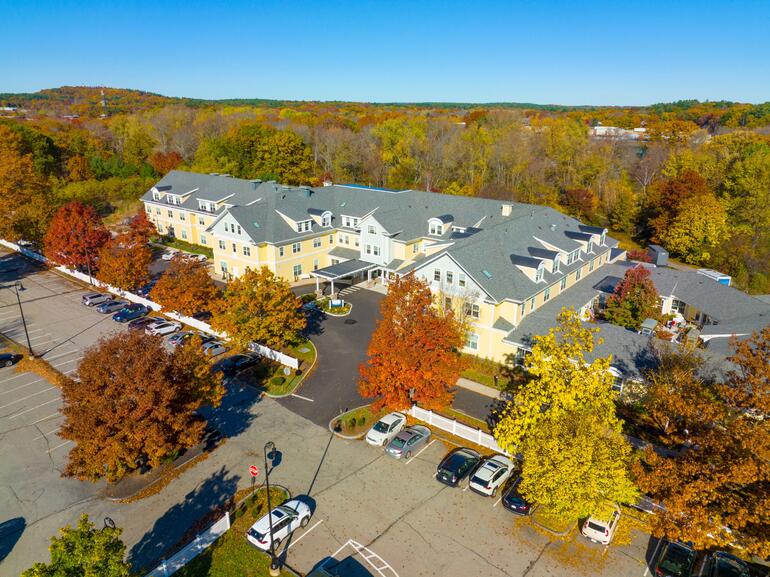
Senior housing has become a distinct area of focus within commercial real estate, increasingly evaluated alongside other alternative property types such as student housing and medical office rather than traditional residential assets. As one of the largest alternative sectors by volume, senior housing has drawn renewed investor attention as capital re-enters the space with more disciplined underwriting and a sharper focus on execution.
Investor activity has been especially pronounced in independent and assisted living, where private capital remains the dominant buyer pool. Compared with multifamily, cap rate spreads often remain wider, reflecting operational complexity but also offering potential yield premium. At the same time, new development remains constrained in many markets, supporting existing asset performance as occupancy and rent growth have recovered meaningfully since the pandemic.
While senior housing shares some structural similarities with multifamily, asset performance is shaped by additional factors such as operating structure, staffing intensity and regulatory oversight. For investors and borrowers, understanding how these dynamics influence underwriting, financing terms and execution risk is essential when evaluating senior housing within a broader capital strategy.
What is senior housing as a real estate asset class?
Senior housing is a real estate asset class within healthcare real estate that combines residential housing with varying levels of services and care for aging populations. Properties are typically categorized by the level of services provided rather than by unit design, lease structure or tenancy length.
From an ownership perspective, senior housing assets pair physical real estate with an operating platform that is often delivered through a third-party operator. While owners are generally not responsible for day-to-day operations, operating execution, staffing models and regulatory compliance remain central drivers of cash flow stability and asset value.
As a result, senior housing is evaluated as a specialized segment within healthcare-oriented real estate portfolios, requiring borrowers and investors to assess both real estate fundamentals and the operating framework supporting the asset when pursuing financing or a sale.
Types of senior housing properties
Senior housing asset types differ primarily in operating complexity and risk profile, which directly influence underwriting assumptions, capital structure and lender appetite. For borrowers, these distinctions help clarify how a specific asset is likely to be financed and where lender scrutiny may increase.
Independent living communities
Independent living communities are generally considered the lowest-risk entry point within senior housing. Operating models tend to be more predictable, with revenue driven primarily by rent and limited-service components.
From a financing standpoint, independent living often aligns more closely with traditional residential underwriting. This can support broader lender participation, more stable cash flow assumptions and greater execution certainty for borrowers seeking senior housing exposure with lower operational sensitivity.
Assisted living communities
Assisted living communities introduce a higher operating overlay, with performance influenced by occupancy, service delivery, staffing levels and regulatory compliance.
While owners are not typically operators, lender underwriting places significant weight on the strength and experience of the operating partner. These dynamics can increase sensitivity in both debt and equity structures, affecting leverage, reserves and covenant terms.
Memory care facilities
Memory care facilities represent the most operationally intensive segment of senior housing. Elevated staffing requirements, specialized building design and higher regulatory oversight contribute to a more complex operating environment.
From a capital markets perspective, these characteristics often result in more conservative underwriting standards and more selective capital availability. Borrowers pursuing memory care financing should expect heightened focus on operator quality, expense control and long-term risk mitigation.
How senior housing fits within capital markets strategies
Across senior housing property types, ownership structures commonly separate real estate ownership from operations through lease arrangements, management agreements or joint venture structures. While these arrangements limit direct operational involvement, operating performance remains a critical driver of asset value and financing outcomes.
For borrowers, this structure affects lender selection, underwriting depth and execution timelines. Senior housing transactions typically require more upfront diligence and coordination among owners, operators and capital providers than conventional residential deals. A clear operating framework and consistent financial reporting can materially improve lender comfort and execution certainty.
How senior housing properties are typically financed
Senior housing financing is generally structured around two factors lenders care about most: the stability of cash flow and the operating framework supporting that cash flow. Compared with multifamily, lenders place greater emphasis on who controls operations and how operating performance is reflected in financial reporting.
Common financing structures
Senior housing is commonly financed through a combination of bank lending, agency or government-related programs where applicable and private capital sources. The appropriate financing path depends on asset type, performance history and how operations are structured through a lease or management agreement.
What lenders underwrite
Beyond standard real estate considerations such as location, physical condition and market competition, senior housing lenders typically focus on:
- Historical and in-place cash flow, with attention to expense composition
- Stability of occupancy and revenue supported by operating statements
- Strength and track record of the operating partner
- Contract structure between owner and operator, including incentives and risk allocation
For borrowers, these factors influence not only rate and proceeds but also covenants, reserves and ongoing reporting requirements.
How financing expectations can differ by segment
Financing is not uniform across independent living, assisted living and memory care. Lower-acuity assets may support a broader lender base, while higher-acuity segments often face tighter leverage, additional reserves and more conservative underwriting as operating complexity increases.
Where borrowers can create leverage in the process
Borrowers are best positioned when they present a clear, consistent financial narrative supported by credible operating partners. Transparent reporting, aligned operating structures and financing terms that match asset risk profiles tend to improve lender confidence and expand capital options.
Risks and considerations that can affect senior housing financing
Senior housing transactions are often less forgiving than other residential asset types. Certain issues tend to surface quickly in underwriting and can materially affect proceeds, pricing or execution timing.
Operating performance volatility
Expense variability, staffing pressures or inconsistent revenue can reduce lender confidence and lead to more conservative underwriting.
Operator alignment and execution risk
Weak operator track records, unclear incentive structures or limited operating history can introduce friction in both financing and sale processes.
Labor and expense sensitivity
Senior housing assets are more exposed to labor-related cost pressures than traditional multifamily properties, which can compress margins and reduce underwritten cash flow.
Regulatory and compliance exposure
Changes in regulatory requirements or compliance issues can slow approvals, limit lender interest or increase reserve requirements, particularly in higher-acuity segments.
Market-specific liquidity considerations
Capital availability varies by geography and asset type. In less liquid markets or for specialized assets, borrowers may encounter a narrower lender pool, affecting execution certainty and timing.
The role of senior housing in a diversified real estate portfolio
Senior housing is commonly evaluated alongside other specialty real estate sectors such as student housing and medical office rather than as a direct substitute for traditional residential assets. Its combination of real estate fundamentals and operating exposure places it in a distinct risk and return category.
From a portfolio perspective, senior housing has attracted increasing private capital interest, particularly in independent and assisted living. Wider cap rate spreads relative to multifamily reflect operational risk but also offer potential yield premium. Constrained new development in many markets has further supported existing asset performance.
As part of a broader portfolio, senior housing is often viewed as a diversifier rather than a core residential allocation. Understanding how senior housing behaves across market conditions helps borrowers and investors determine where, and how, it fits within an overall capital strategy.
Insights
Research to help you make knowledgeable investment decisions