
Rent growth remains elevated amid wave of new multifamily supply in Kansas City
Q2 2025
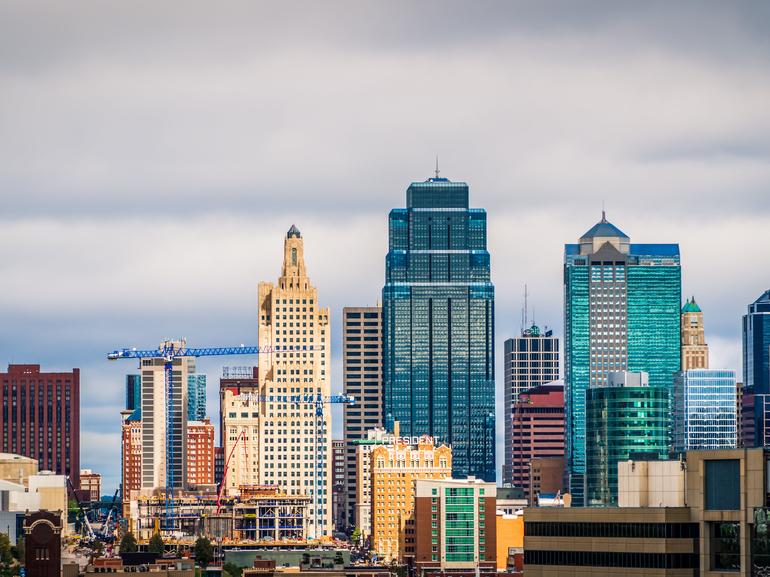
The trajectory of the Kansas City multifamily market improved in recent months. While developers delivered new units rapidly during the first quarter, primarily in outlying Johnson County, Lenexa, and Overland Park, completions slowed during the second quarter. A slower pace of inventory growth helped temper vacancy increases, while rents continued to push higher. Although the vacancy rate continued to rise during the second quarter, the 10 basis point difference was minimal compared to recent quarters. Vacancy trended higher in every submarket except Platte County and Shawnee/Lenexa, where deliveries have been modest during the past five years. Asking rents posted a steep increase during the second quarter, building upon solid gains from recent periods. The Merriam/Mission/Prairie Village area performed particularly well, with asking rents rising by 9.6% over the past 12 months.
Despite slowing in recent months, multifamily sales activity in Kansas City is trending closer to traditional levels. Total sales during the past six months lagged the region’s first-half average from 2016 to 2024 by just 12%. Investors have shifted focus to older vintages in recent quarters, with Class C assets accounting for nearly half of all sales so far in 2025. Last year, lower-tier properties made up roughly one quarter of the assets that changed hands. Older assets have traded at elevated pricing since the beginning of 2025, with Class C assets posting a median sale price of $115,400 per unit year to date. The only prior time where the median price for lower-tier assets topped $100,000 per unit was in 2022, when overall pricing reached a cyclical high. Cap rates continue to rise, averaging 6.1% during the first half of 2025, up roughly 60 basis points from levels recorded at the end of 2024.
Looking ahead
Property performance trends for the remainder of 2025 are expected to closely mirror those observed during the first half of the year. As the pace of multifamily deliveries picks back up again, vacancy rates will face some additional upward pressure, though increases are likely to remain moderate. Rent growth should remain positive through the end of the year, although the pace will probably slow compared to the strong gains seen in recent months. Overall, asking rents are forecasted to rise by approximately 3.0% in 2025, surpassing last year’s figures and closely aligning with 2023 levels. A number of the projects scheduled for completion this year are located in Downtown Kansas City, where vacancy rates are already above 10%. In most suburban submarkets, vacancy rates are in the 5% to 6% range.
Sales activity in the Kansas City multifamily investment market is expected to pick up through the remainder of the year, following a slight downturn in recent months. Total sales in 2025 should approach long-term historical trends, though they may still trail those metrics. Investors will likely continue to target lower-tier properties, and increased transaction activity among older vintages could help boost overall sales volumes in the second half of 2025 and into 2026. Class A assets have changed hands less frequently during the past six months, after comprising roughly one-third of all transactions from 2021 to 2024. This trend is expected to reverse going forward, as supply-side pressures begin to ease. Persistent rent growth in the Class A segment also supports a more favorable investment case for top-tier assets, both in the near term and going forward.
Learn more
Contact our Kansas City office for more information.
Get the report

Insights
Research to help you make knowledgeable investment decisions