
Multifamily sales volumes gain momentum in Dallas to close 2024
Q4 2024
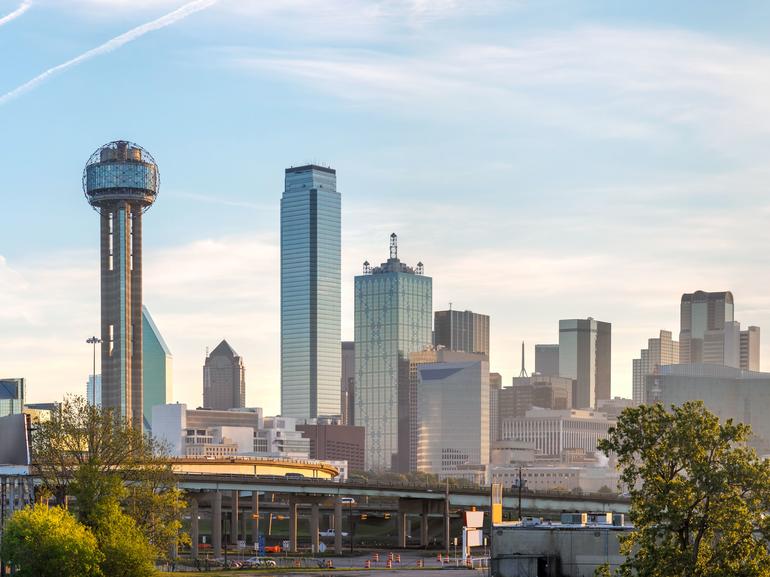
After stabilizing in the middle part of the year, the Dallas-Fort Worth multifamily market posted healthy operational performance to close 2024. Vacancy dropped 40 basis points, the largest quarterly improvement in three years. This followed a more modest tightening that was recorded during the third quarter. The combined impact of vacancy declines in the second half of the year resulted in a calendar-year improvement for the first time since 2021, outperforming expectations and putting the market ahead of schedule. Improved property performance was fueled by surging levels of renter demand for units. Net absorption totaled more than 14,600 units in the fourth quarter, the highest three-month total since the 2021 peak. For the full year, net absorption more than 44,400 units.
Multifamily investors demonstrated their positive sentiment surrounding the Dallas-Fort Worth market during the second half of the year. Transaction activity levels accelerated in both the third and fourth quarters, and per-unit prices pushed higher in transactions where pricing details were available. Investors responded to the accelerating renter demand for units, returning to the transaction market in greater numbers ahead of anticipated economic growth throughout the region. Transaction counts in the fourth quarter were slightly higher than the third quarter total, and sales for the full year was nearly identical to the 2023 figure. Cap rates have shown signs of compressing slightly in recent months, averaging approximately 5.25 percent for the year; a few more properties changed hands with cap rates at or below 5 percent during the fourth quarter.
Looking ahead
The Dallas-Fort Worth multifamily market is expected to gain momentum in 2025 and 2026 as the pace of deliveries slows and renter demand for units remains elevated. Developers are expected to complete about 30 percent fewer units in 2025 than they did in the prior year, and the construction will likely record additional slowing in subsequent years. Construction starts slowed by nearly 25 percent from 2023 to 2024, and the number of units that broke ground last year was down more than 55 percent from peak levels in 2022. While it may take a few more quarters to work through the projects that are already underway, supply-side pressures will ease as the development pipeline thins in the coming years. The primary result of the slowing pace of inventory growth will be a decline in the marketwide vacancy rate, and these tightening conditions should support modest rent growth in 2025 and a more rapid pace of increases in the following year.
The rebound in Dallas-Fort Worth multifamily transaction volumes that was recorded in the second half of 2024 will likely serve as a springboard for accelerating sales velocity in the year ahead. While investors in local multifamily properties have been able to rely on elevated levels of net absorption during the past several years, there were some concerns about the potential for overbuilding that had dragged on investment activity in earlier quarters. Recent trends should alleviate these concerns, as the vacancy rate has already reached an inflection point, first by steadying at midyear and then by posting consecutive quarters of improvement in the second half of 2024. Investors will respond to this signal of operational health in the market. Looking ahead to 2025, anticipated increases in rental rates should serve as another driver of investment activity. With investors favoring newer properties in high-growth areas, the Dallas-Fort Worth region should be particularly active in the coming year.
Learn more
Contact our Dallas office for more information.
Get the report

Insights
Research to help you make knowledgeable investment decisions