
Multifamily renter demand outpaces new deliveries in the first half in Austin
Q2 2025
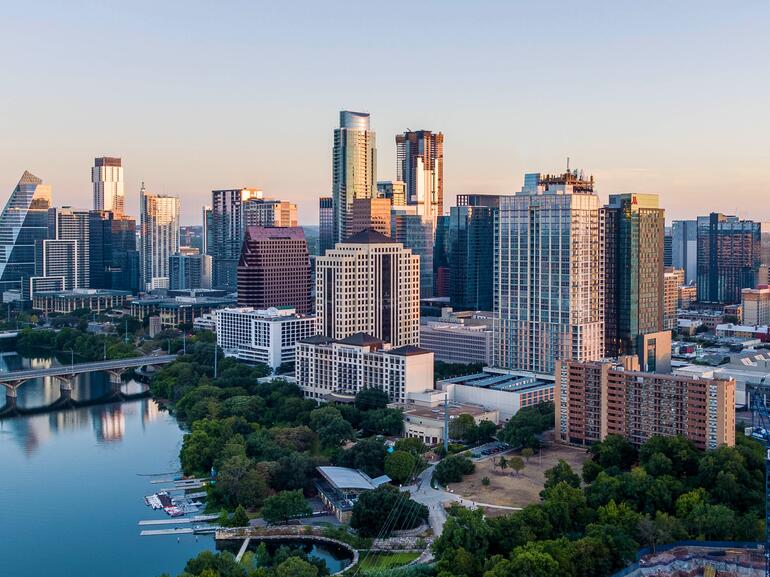
Vacancy conditions in the Austin multifamily market tightened in the second quarter, an improvement that was fueled by a surge in renter demand for units. Local vacancy dropped by 50 basis points in the period, marking the steepest quarterly decline since mid-2021. On the supply side, completions in the first half were down 13% when compared to the same period in 2024. Despite this improvement, rents have continued to soften, although declines were more severe in the second half of last year than they were in the first half of 2025. The 0.3% rent dip in Austin during the second quarter was the smallest quarterly decrease in the past two years, indicating a gradual return to stabilization. Some areas outperformed, including the North Central submarket, which posted a 0.8% increase in average asking rents during the second quarter and a 240 basis point drop in vacancy.
Multifamily sales activity in Austin was light during the second quarter, but a stronger first quarter pushed first-half 2025 transaction counts ahead of the 2024 pace. Properties that traded were spread throughout the Austin area, with elevated activity in San Marcos and the northeast central areas. Where pricing was available, the average sale price to this point in the year is $201,100 per unit, up 3% from 2024, but still below peak levels recorded in recent years. There was an uptick in Class C transactions during the second quarter after Class A and Class B properties accounted for all of the significant first quarter transactions. Class B assets have posted the greatest boost in pricing this year. In transactions where pricing was available, the average sale price for Class B properties is $221,800 per unit year to date, up 8% from last year.
Looking ahead
Operating conditions in the Austin multifamily market are expected to remain soft through the rest of the year, though changes in rents and vacancy will likely level off throughout much of the market. A cooling development pipeline remains a key factor behind these positive trends. Completions in the second half will lag delivery totals from the first half, and completions are outpacing starts by a wide margin. Multifamily permitting activity has declined each year since peaking in 2021, and is forecast to contract by another 37% this year. Market conditions appear to be approaching equilibrium, with completions and net absorption totals closely tracking one another. As deliveries slow in the years to come, continued renter demand in 2026 and 2027 should result in vacancy declines. In the near term, operators are likely to continue offering concessions in efforts to maintain occupancy levels.
Sales activity in Austin’s multifamily investment market is expected to pick up in the second half of the year, but annual totals will likely remain below historical norms. Slower development and improving operating conditions should eventually support a more predictable market and clearer underwriting, but this shift may not fully materialize until 2026 or 2027. The Austin area’s continued success in attracting prominent companies and high-wage workers will ultimately support renewed investor demand, particularly as vacancy levels return closer to long-term averages. While interest rates may creep lower in the second half, cap rates are expected to stay relatively stable, and some upward pressure may emerge in the near term as sellers aim to meet buyer return expectations.
Learn more
Contact our Austin office for more information.
Get the report

Insights
Research to help you make knowledgeable investment decisions