
Investment activity in the Central Valley picks up in smaller multifamily deals
Q2 2025
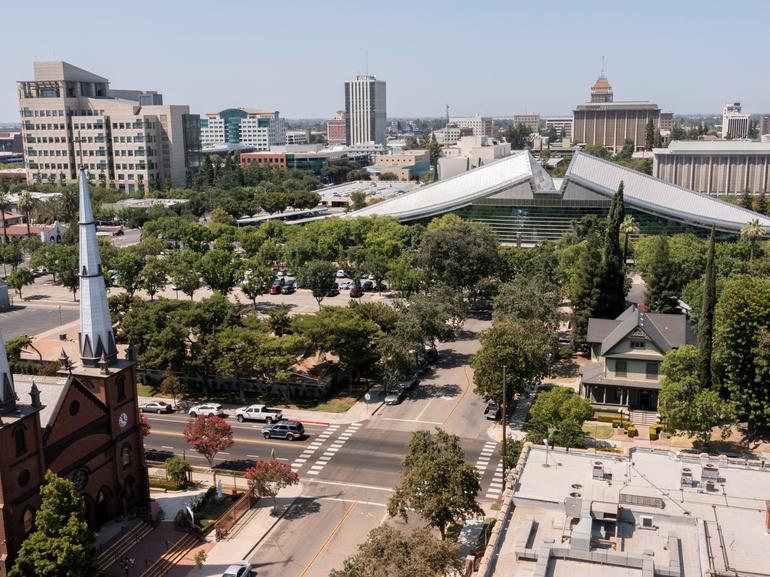
Multifamily deliveries in the Central Valley accelerated in the second quarter, with more than 1,000 units completed, marking one of the highest quarterly totals on record. Developers continued to advance projects through the pipeline, resulting in a modest vacancy increase. Vacancy ended the second quarter at 4.5%, up 40 basis points year over year. The current rate now sits about 130 basis points above the five-year average. Rents continue to push higher, although the pace of recent increases has lagged historical averages. With more than 1,500 units already delivered and 2025 on track for the most completions over a decade, sustaining current rent growth may prove challenging in the second half. In Fresno County, where renters account for nearly half of all households, vacancy ended the second quarter at 4.4%, unchanged from one year earlier. The county has delivered about one-quarter of the Central Valley’s new units in 2025, yet elevated renter demand has kept conditions balanced despite the influx of supply.
Sales activity in the Central Valley’s multifamily market has picked up in 2025, with investment activity on pace to reach a four-year high. While transaction counts have accelerated, total dollar volumes remain below the region’s five-year average, reflecting a shift toward smaller deal sizes and older property vintages. Nearly all recorded sales in the first half of this year involved assets built before the 1990s, with San Joaquin County leading the Central Valley in total transactions. The average unit count for traded properties has declined by 45% compared to 2024, with deals averaging just 72 units. Most trades have occurred in the $5 million to $10 million range, primarily involving Class C assets underscoring a value-add focus.
Looking ahead
Operating conditions in the Central Valley multifamily market are expected to remain stable even as supply pressures build. Completions are expected to reach their highest annual total in more than a decade, after 1,200 completions in 2024. While this new supply may push vacancy rates slightly higher, strong renter demand, particularly in logistics-driven counties like Fresno and Stanislaus, should help absorb new inventory. Rent growth is likely to continue, though at a more moderate pace, as operators offer concessions to support lease-up. Market performance will vary by submarket, with areas facing limited new construction and supported by durable employment bases expected to outperform. San Joaquin County’s long-term outlook remains strong, with 20,000 logistics jobs projected through 2050, reinforcing its role as a key distribution hub. Potential disruptions in international trade could weigh on the region’s warehousing and logistics sectors in the near term, introducing some uncertainty into the broader economic landscape.
Multifamily investment activity in the Central Valley is expected to gain additional momentum in the second half of 2025, driven largely by a steady flow of smaller transactions. While elevated deliveries are increasing competition among operators, they are also creating new opportunities for investors as properties begin to stabilize. An additional source of fuel for the investment market would be an anticipated decline in interest rates in the second half, which could start to pull some investors off of the sidelines. Underlying property performance is likely to remain stable, supporting a positive long-term outlook for multifamily assets. Counties along key trade corridors, especially San Joaquin County, continue to lead in sales activity and are expected to remain focal points for investment through 2026. As the construction pipeline normalizes by 2027, market conditions should further strengthen across the region.
Learn more
Contact our Fresno office for more information.
Get the report

Insights
Research to help you make knowledgeable investment decisions