
Kansas City multifamily vacancy maintains its slow upward climb
Q1 2026
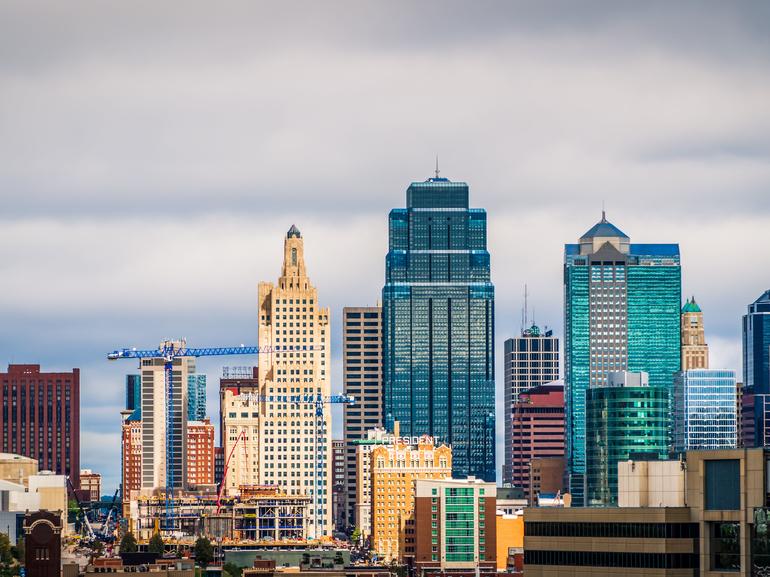
Kansas City multifamily market overview
Multifamily properties in Kansas City posted uneven performance during the first quarter. While vacancy continued to trend higher at a gradual pace, rents reversed course after gradually declining throughout the second half of 2025. New units continued to come online while absorption cooled from recent highs. Roughly half of the units that have been delivered so far this year are in Lee’s Summit, after no units were completed in the submarket in 2025. There were some submarkets where operating conditions improved across most major metrics. Downtown Kansas City and Platte were two areas where asking rents increased year-over-year while also recording improvements in vacancy. In Platte, asking rents increased by 2.4% in the past year while the vacancy rate decreased by 40 basis points. Properties located Downtown posted a 0.5% rent increase year over year while vacancy decreased by 10 basis points.
The transaction count in the first quarter closely tracked 2025 averages while coming in slightly higher than 2024 levels. Class B assets made up the largest share of trades in the first quarter after recording the lowest activity levels last year. Sales of these middle-tier properties drove the overall market pricing trends. Class B properties have generally traded at lower per-unit prices in 2026 than they did in 2025. In contrast, both Class A and Class C properties are recording increased per-unit pricing this year, albeit on light sales volumes. Overland Park contains the greatest share of activity at this point in the year after accounting for a small number of transactions in 2025.
Looking ahead for Kansas City:
The Kansas City multifamily market will continue to be influenced by a steady stream of new units coming online through the remainder of 2026. The local vacancy rate will continue to trend higher, but increases are expected to be modest, mirroring the trend that has persisted for more than a year. Absorption trends have been mixed, but vacancy will likely tick up even if renter demand for units strengthens. In recent years, rents have continued to climb despite vacancy increases, and a similar trend should persist throughout the remainder of 2026. Future improvements in operating conditions will be more heavily impacted by the local labor market. Employment growth remains positive, though it has been light. Area population growth and a handful of large projects that are currently underway should support area job growth across the Kansas City market in coming years, supporting absorption totals and allowing for modest rent gains.
The consistent level of activity that this market recorded in the first quarter should continue throughout the coming months. Overland Park is poised to remain a prominent area for multifamily investment within the market, though Downtown Kansas City is forecast to meaningfully increase its share of overall activity. Another trend that is expected to continue is the outsized share of overall transaction activity involving Class B assets throughout this market. Investors may find more opportunities in Class C properties, while Class A acquisitions may remain limited as buyers continue to measure the competitive impact of new inventory growth. The build-to-rent market has gained momentum in recent quarters, which may continue in the coming years. Cap rates are not expected to make waves in 2026, with the year-end average cap rate forecast to remain between 5.0% and 5.5%.
Connect with our Kansas City team today
For a more complete analysis of the supply, demand, vacancy, rent and investment trends in the Kansas City multifamily market, download and read the full report below.
The Northmarq Kansas City office provides a broad range of commercial real estate solutions across debt, equity and investment sales. Engage with our Kansas City team today.
Get the Kansas City Q1 2026 report


Insights
Research to help you make knowledgeable investment decisions